


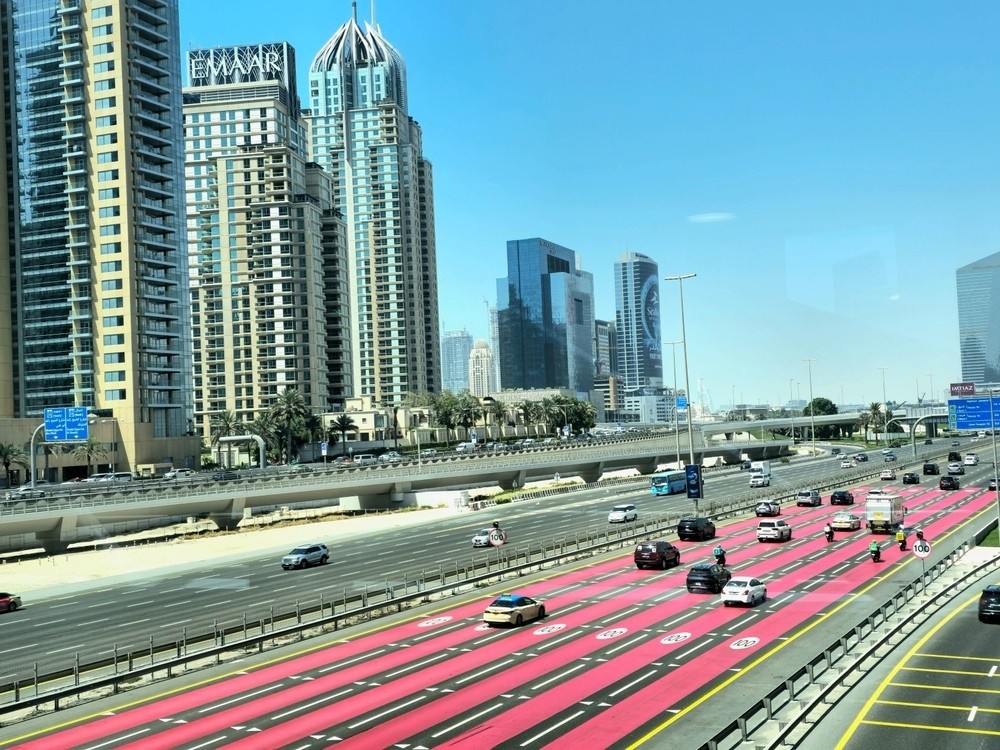
Driving in the UAE is more than just a way to get from point A to point B, it’s an experience. With cutting-edge highways, sparkling skyscrapers, and the iconic desert landscape, the roads are an essential part of the UAE’s unique charm. But with the thrill of high-speed travel and the bustle of urban streets comes a responsibility to drive safely. Whether you’re a resident navigating the bustling streets of Dubai or a visitor exploring the beauty of the Emirates, understanding car safety tips for UAE drivers is crucial for your well-being.
Accidents can happen in the blink of an eye, but the good news is that with the proper knowledge and habits, you can significantly reduce your risk. This blog will walk you through essential car safety tips tailored for drivers in the UAE, ensuring you’re not just cruising through the streets, but doing so safely and responsibly. Let’s dive into some simple but effective ways to protect yourself and others on the road.
Key Highlights:
-
Staying on top of car safety can significantly reduce the risk of accidents in the UAE.
-
Regular vehicle maintenance, adherence to local traffic laws, and use of modern safety features are crucial for safe driving.
-
Wearing your seatbelt, driving at safe speeds, and being mindful of your surroundings will enhance your driving experience on busy roads like Sheikh Zayed Road.
-
Follow these safety tips, and you’ll be doing your part to make UAE roads safer for everyone.
Why Car Safety Matters in the UAE
The UAE boasts some of the world’s most modern road networks, but it also faces significant road safety challenges. With millions of cars on the roads and rapid urban development, accidents are unfortunately common. According to the Road and Transport Authority (RTA), the UAE government has been working hard to reduce accidents through stricter regulations and advanced infrastructure. However, each driver’s personal responsibility is just as important.
Car safety isn’t just about obeying the rules; it’s about ensuring your vehicle is ready for the road, staying alert, and making smart decisions while driving. Here are some top tips to help you drive safely in the UAE.
1. Keep Your Vehicle in Top Shape
Routine maintenance is your first line of defense against car accidents. A well-maintained vehicle is more reliable and less prone to breakdowns, which can be dangerous, especially on high-speed highways like Sheikh Zayed Road.
Maintenance Tips:
-
Tires: Check tire pressure and tread depth regularly. Under-inflated or worn-out tires can cause blowouts, which are hazardous at high speeds.
-
Oil and Fluids: Regularly change your engine oil and check the levels of brake fluid, transmission fluid, and coolant. This ensures your car operates smoothly.
-
Brakes: Your brakes should be in top condition. Have them inspected regularly, especially if you’re driving in heavy traffic or at high speeds.
-
Battery: A dead battery can leave you stranded in an inconvenient spot. Regularly check and maintain your car battery to avoid this.


2. Always Buckle Up
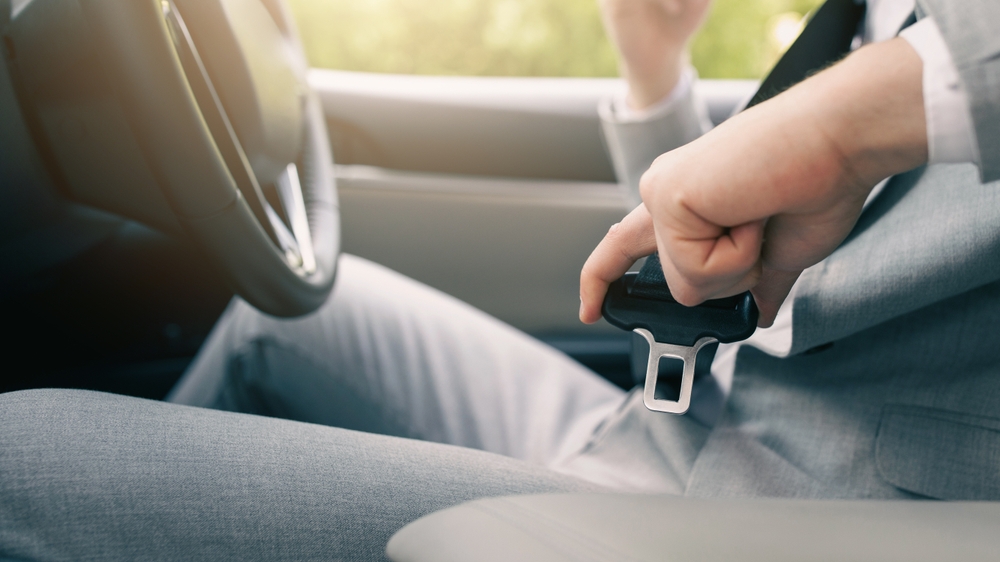
It may seem like a basic safety rule, but wearing your seatbelt is one of the easiest and most effective ways to protect yourself in case of an accident. Seatbelt use is mandatory in the UAE, and failing to wear one could result in hefty fines.
Why Seatbelts Matter:
-
They prevent you from being thrown forward or out of your seat in the event of a crash.
-
Seatbelts help reduce the severity of injuries during sudden stops or accidents.

3. Stick to Speed Limits
Speeding is a leading cause of accidents in the UAE. While the country’s roads are designed for high-speed travel, it’s essential to drive at a speed that allows you to react to sudden changes in traffic.
Speed Tips:
-
Respect posted speed limits. These can vary by area, especially in residential zones or near schools.
-
On highways, it’s tempting to drive fast, but higher speeds reduce your reaction time if something unexpected happens.
-
Use cruise control to maintain a steady speed, especially on long highway drives, to avoid accidentally exceeding speed limits.
4. Make the Most of Advanced Safety Features
Modern cars come with an array of advanced safety features designed to protect you and your passengers. Please familiarize yourself with these features and use them to enhance your safety.
Safety Features You Should Use:
-
Lane Departure Warning (LDW): This system alerts you if you drift out of your lane, helping to avoid accidents on busy highways.
-
Automatic Emergency Braking (AEB): If a collision is imminent, AEB can apply the brakes automatically to reduce or prevent the impact.
-
Blind Spot Detection: This system helps you spot vehicles in your blind spots, making lane changes safer.
-
Adaptive Cruise Control: This feature adjusts your car’s speed to maintain a safe distance from the vehicle ahead.
5. Follow UAE Traffic Laws
The UAE has strict traffic laws that every driver must follow. Being aware of and respecting these laws is essential not just for avoiding fines but for ensuring everyone’s safety on the road.
Key Rules to Keep in Mind:
-
Use Indicators: Always signal before turning or changing lanes. It’s a simple habit that makes a big difference in preventing accidents.
-
Avoid Tailgating: Tailgating is dangerous and can lead to accidents, especially in heavy traffic.
-
Respect Traffic Signals: Running red lights or failing to stop at stop signs is illegal and puts lives at risk.
6. Stay Focused, Avoid Distractions
Distracted driving is one of the biggest causes of accidents in the UAE. With so many distractions on the road, it’s easy to lose focus, but it only takes a second for something to go wrong.
How to Stay Focused:
-
Use Hands-Free Devices: If you need to make a call, use a Bluetooth headset or hands-free device to keep your hands on the wheel.
-
Don’t Eat While Driving: Eating or drinking while driving can distract you from the road. Save the snacks for when you’re not behind the wheel.
-
Limit Passengers: Too many passengers can be distracting. If you’re driving, focus on the road and keep noise levels to a minimum.


7. Drive According to Weather Conditions
The weather in the UAE can be extreme, with scorching heat, dust storms, and occasional rain. Constantly adjust your driving habits to the weather conditions.
Weather-Related Tips:
-
Heat: Ensure your AC is working and carry plenty of water, especially on long trips.
-
Dust Storms: If visibility drops due to a sandstorm, slow down, turn on your headlights, and avoid sharp maneuvers. If it gets too dangerous, pull over safely.
-
Rain: When it rains, roads can get slippery. Reduce speed and maintain a safe distance from other vehicles to prevent accidents.
Frequenlty Asked Questions (FAQs)
Why is regular car maintenance essential for safety?
It ensures your vehicle runs smoothly, preventing issues like tire blowouts or brake failures.
Are there specific traffic laws I should be aware of as a new driver?
Yes, always use your seatbelt, obey speed limits, signal when changing lanes, and avoid using your phone.
How can I stay safe during extreme weather, like sandstorms?
Slow down, turn on your headlights, and pull over if visibility becomes poor.
What are the best safety features in a car?
Look for features like lane departure warning, automatic emergency braking, and adaptive cruise control.
What should I do if I get into a minor accident?
Ensure everyone is safe, move your car off the road, call the police, exchange information, and take photos.
Conclusion: Car Safety Tips for UAE Drivers
Car safety is not just about knowing the rules; it’s about practicing them every time you get behind the wheel. Whether you’re a seasoned driver or new to the UAE, following these car safety tips will help you stay safe on the roads, protect your loved ones, and contribute to safer driving practices nationwide.
Want more expert advice on car safety, reviews, and tips for driving in the UAE? Stay informed with the latest from ArabWheels! Visit ArabWheels for car reviews, news, and updates, and explore our ArabWheels Blog for more in-depth tips, car care advice, and driving insights.
Drive smart, drive safe, and always make sure your car is ready for the road ahead!