
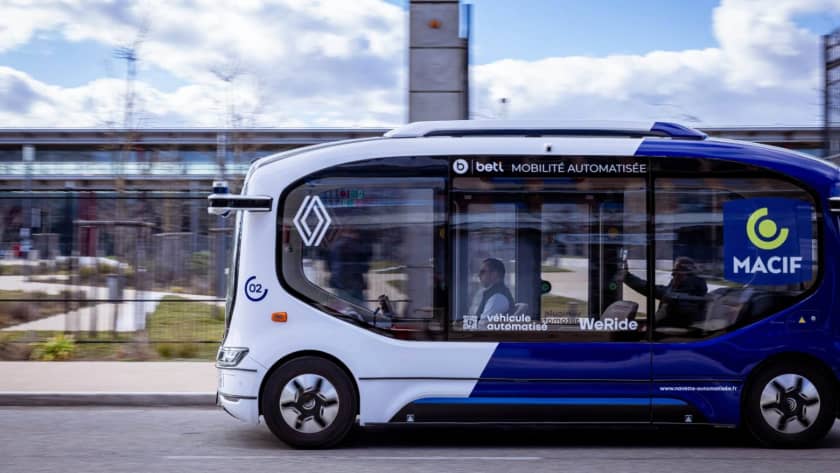
Dubai robotaxi Halt: What WeRide’s Suspension Means for Commuters
The future of autonomous mobility in Dubai recently hit a significant hurdle due to rising regional security concerns. Chinese tech giant WeRide announced the immediate suspension of its robotaxi fleet throughout the emirate to ensure the safety of its staff.
This move comes amid the widening conflict involving Iran, creating an uncertain environment for high-tech infrastructure and public transport.
While road users in Dubai are accustomed to innovation, this pause represents a rare setback for the city’s smart mobility goals. Commuters should know that RTA taxis and Careem services remain fully operational to cover any gaps in transport demand.
Regional Tensions Impact Driverless Operations
Geopolitical volatility has forced several leading autonomous vehicle companies to reassess their operational risks across the Middle East this week. Although many expected the robotaxi sector to expand rapidly in 2026, employee well-being has now become the primary focus.
WeRide shifted its local team to remote work and moved all vehicles into secure indoor parking facilities for the duration. These measures protect valuable assets while the company monitors the evolving security situation across the Gulf region.
Commuters in Jumeirah and Umm Suqeim might notice slightly longer wait times for standard taxis during peak morning hours. The following points summarize how major operators are currently managing the service suspension:
- WeRide has grounded its entire Dubai fleet while keeping operations active in Abu Dhabi and Riyadh.
- Apollo Go is coordinating closely with local regulators to adjust its testing schedules in the UAE.
- Pony.ai recently paused its on-road trials in Dubai but has already resumed testing activities within Doha.
- Staff across the regional autonomous driving sector are now working from home to limit any unnecessary outings.
- Companies use this downtime to focus on data optimization and system training from secure remote locations.
Future Outlook for Autonomous Transport
Despite the current halt, the long-term commitment to a driverless future in the UAE remains exceptionally strong for most firms. Industry analysts suggest the robotaxi market will likely rebound quickly once the regional security environment stabilizes.
The RTA continues to support the infrastructure needed for these advanced vehicles to operate safely on public roads. For now, commuters can rely on the extensive Dubai Metro and bus networks to navigate the city without delays.
We expect the driverless trials to resume as soon as local authorities provide a clear security clearance for testing.
Conclusion
While the temporary suspension of the WeRide robotaxi fleet is a disappointment, it highlights the importance of safety in tech deployment. We look forward to these innovative vehicles returning to transform our streets once the current regional tensions finally subside.
Let us know what you think in the comments below. Keep following the Arabwheels Blog for the latest sharp insights, exclusive UAE updates, and global automotive trends that matter.