
Dubai Marina Traffic Relief: New Harbour Bridge Hits 90%, Mark
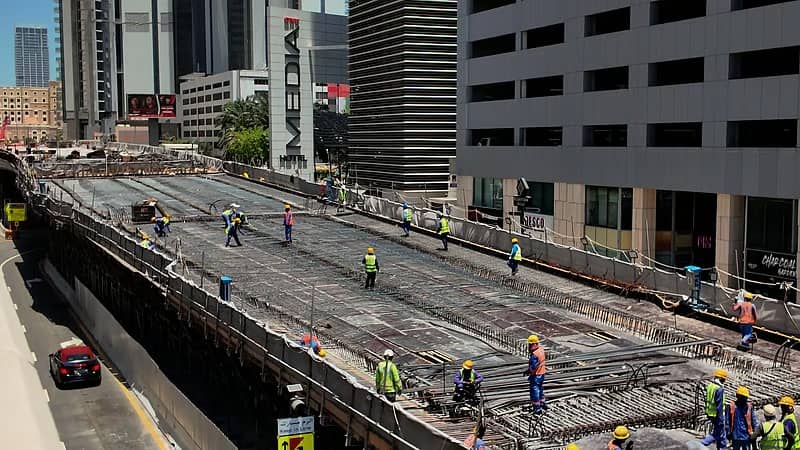
Dubai’s RTA has completed 90% of the new Harbour Bridge project, which will significantly improve regional traffic flow. This massive 1,500-meter structure features two lanes in each direction, providing direct entry and exit points for drivers.
Key Project Takeaways
- June 2026 Opening: Direct traffic access opens this month for drivers traveling from Sheikh Zayed Road towards Dubai Harbor.
- July 2026 Opening: Routes expand from Dubai Harbour towards Al Naseem Street and the King Salman bin Abdulaziz Al Saud Street intersection.
- Structural Footprint: Engineering teams utilized over 45,000 cubic meters of concrete and 8,273 tonnes of steel across the site.
- Labor Metrics: Over 1,400 engineers and workers across 12 distinct teams recorded 4.2 million work hours during construction.
Direct Structural Connections to the Waterfront District
According to RTA Director General Mattar Al Tayer, the vital infrastructure development begins directly at Interchange 5 on Sheikh Zayed Road. The high-capacity flyover passes through the intersection at Al Naseem Street and Al Falak Street to streamline traffic flow.
It then crosses the busy intersection at King Salman bin Abdulaziz Al Saud Street before extending onto Dubai Harbour Street. This dedicated corridor will heavily influence local vehicle purchasing decisions for coastal residents.
Luxury expat car buyers frequently avoid purchasing low-slung supercars due to chronic bottlenecking around the congested Marina entrance ramps. This direct connection eliminates that hesitation, effectively opening up the waterfront district for high-end luxury vehicles.
Slashing Peak Travel Times for Premium Commuters
The completed infrastructure asset will accommodate up to 6,000 vehicles per hour in both directions. By integrating critical at-grade improvements at 4 major intersections, the RTA expects to deliver significant gains in transit efficiency.
Peak travel times through the dense coastal corridor will drop from 12 minutes to just 3 minutes. Local premium-vehicle buyers strongly prioritize structural transit efficiency when planning daily commutes.
Reduced idling times directly translate to lower fuel consumption and less wear on high-performance engines during harsh summer months. Fleet operators managing luxury chauffeur services will also see significant operational advantages from highly predictable transit times.
What This Means for the Harbour Bridge Corridor
The rapid completion of this mega project signals a major victory for urban planning across the local automotive landscape. Drivers can expect immediate relief across surrounding arterial routes, notably alleviating the heavy gridlock on Al Naseem Street.
The strategic introduction of the Harbour Bridge ensures that Dubai’s infrastructure keeps pace with the expansion of premium real estate.
Does this massive transit upgrade change how you plan your daily coastal commute or luxury vehicle weekend drives? Drop your thoughts in the comments below. Keep following the ArabWheels Blog for more local and international automotive content like this.