
Goodbye Free Parking! International City Moves to Paid System in 2026
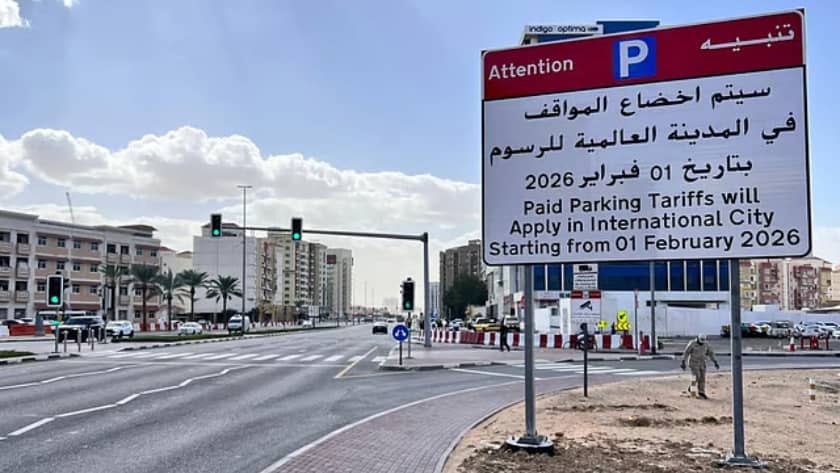
Dubai is preparing to implement a major infrastructure change that will affect thousands of residents and commuters across the emirate. Official notices recently appeared throughout the community confirming that paid parking will be introduced in International City starting from February 1, 2026.
This update marks the conclusion of an era for one of the last remaining large residential areas with free spaces. The shift is part of Parkin PJSC‘s broader strategy to streamline urban mobility and manage high-demand zones effectively.
Many individuals have already noticed the new signboards being installed across various clusters to warn motorists about the upcoming transition.
New Parking Tariffs and Operational Hours
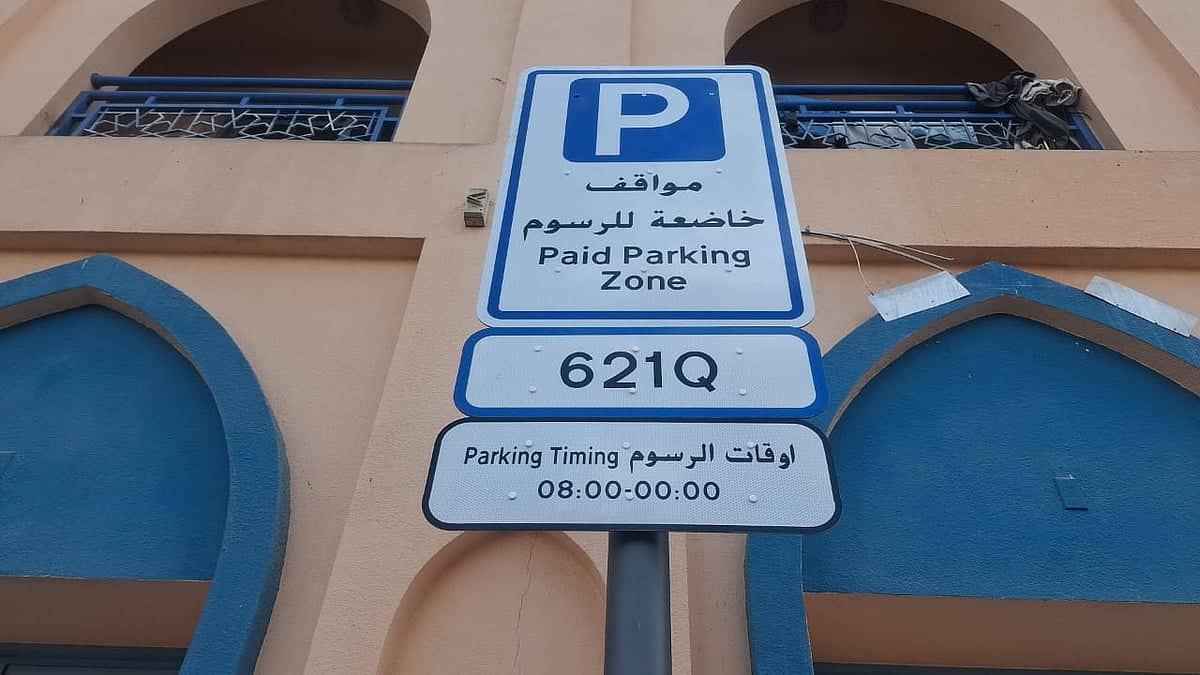
According to Parkin’s information, the new system will operate daily from 8 AM to midnight. Residents can still enjoy free parking on Sundays and official public holidays, in line with standard Dubai regulations.
The assigned parking code for this area is 621Q, and it appears that the same tariffs will apply to everyone.
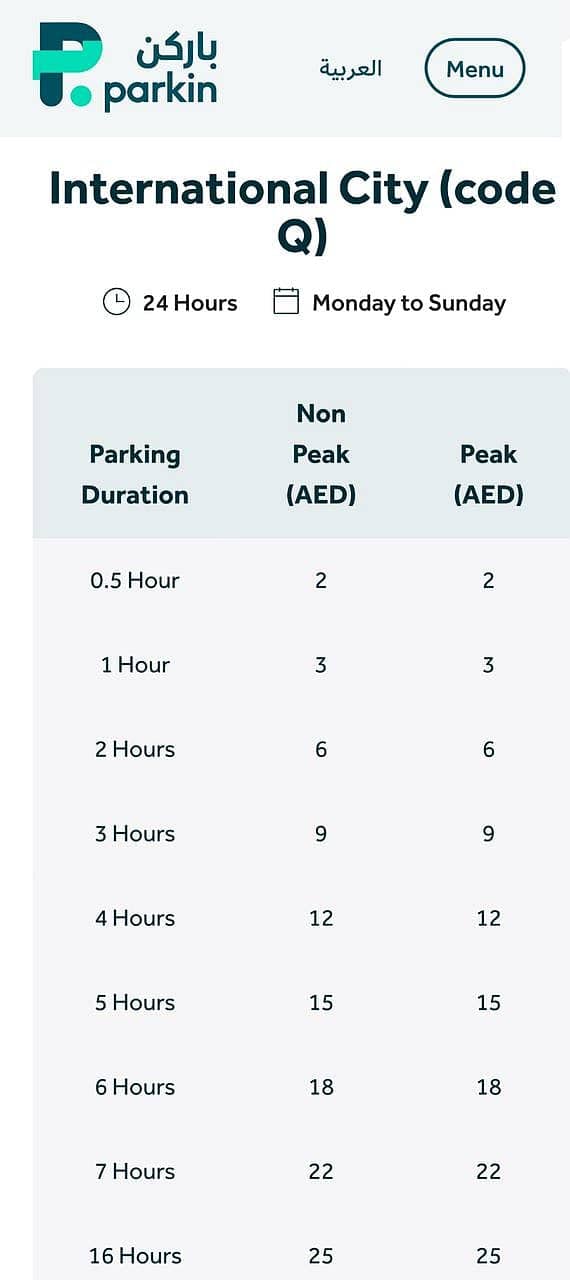
- 30 Minutes: AED 2
- 1 Hour: AED 3
- 2 Hours: AED 6
- 4 Hours: AED 12
- Over 7 Hours (up to 16 hours): AED 25
There is currently no indication of separate zones or specialized rates for tenants versus visitors in the International City phase. Most vehicles parked for more than 7 hours will likely be charged the daily maximum of AED 25.
Addressing Congestion and Resident Feedback
The decision to charge for parking in International City has sparked a mix of reactions from the local community. Some long-term residents believe the move will finally curb the misuse of spaces by commercial vehicles and rental fleets.
Abandoned cars have also been a significant issue, taking up valuable spots for extended periods without any legal repercussions. Paid systems may drive out employees of rental car companies who utilize residential lots for their business stock.
Residents hope the new fees will free up roadside spaces that are often blocked by pickups and trailers. While the new system aims to improve turnover, some tenants are hoping for discounted parking permits or seasonal card options.
They argue that families with multiple cars will face a heavy financial burden once the free spots disappear in 2026.
Effective parking management in International City is essential to maintaining the neighborhood’s aesthetic appeal and safety. By introducing these structured tariffs, the authorities hope to ensure that original tenants with valid contracts can always find a space.
Conclusion
The introduction of paid parking marks a significant turning point in the daily lives and routines of residents of International City. While the new fees add to the cost, the potential for reduced traffic and improved parking availability offers a silver lining for the neighborhood.
As February 2026 approaches, residents should stay informed about any upcoming announcements regarding specific tenant permits or seasonal subscription cards from Parkin. What are your views on this? Let us know in the comments below. Keep following the Arabwheels Blog for more content like this.