

Top Strategies to Save Big on a Used Car Purchase in 2026
Master the Art of Buying a Used Car in 2026 with Expert Tips on Research, Negotiation, and Cost Management.

Buying a used car in 2026 is an exciting opportunity, but it also comes with new challenges, especially as the market evolves. With the rise of digital platforms and a growing focus on sustainability, the used-car market is evolving rapidly. As more people shift toward electric and hybrid vehicles, buyers must navigate a rapidly changing landscape to find the best deals and avoid costly mistakes.
To make the smartest purchase possible, it’s essential to arm yourself with the right strategies. From thorough research to understanding the total cost of ownership (TCO) and negotiating like a pro, knowing what to look for and how to approach the process can save you both time and money. This guide will walk you through the key steps for buying a used car in 2026, helping you make an informed, confident decision.
Key Highlights:
-
Research is crucial for making an informed decision.
-
Total cost of ownership (TCO) factors in more than just the sticker price.
-
A thorough inspection and test drive can reveal hidden issues.
-
Negotiation skills help you secure a better deal.
-
Certified Pre-Owned (CPO) vehicles offer extra reliability.
Why It’s Important to Buy a Used Car Smartly in 2026
The used-car market in 2026 is highly competitive, with vehicles priced higher than ever before. With a shift toward sustainable options like electric vehicles (EVs) and hybrids, it’s important to factor in the latest trends and technology. A smarter approach will help you get the best deal, whether you’re looking for a fuel-efficient vehicle, an EV, or a hybrid. Let’s break down the top strategies you should use.
Pro Tip: Use Arabwheels for real-time price transparency and fair-market-value comparisons.
1. How to Research a Used Car Before You Buy
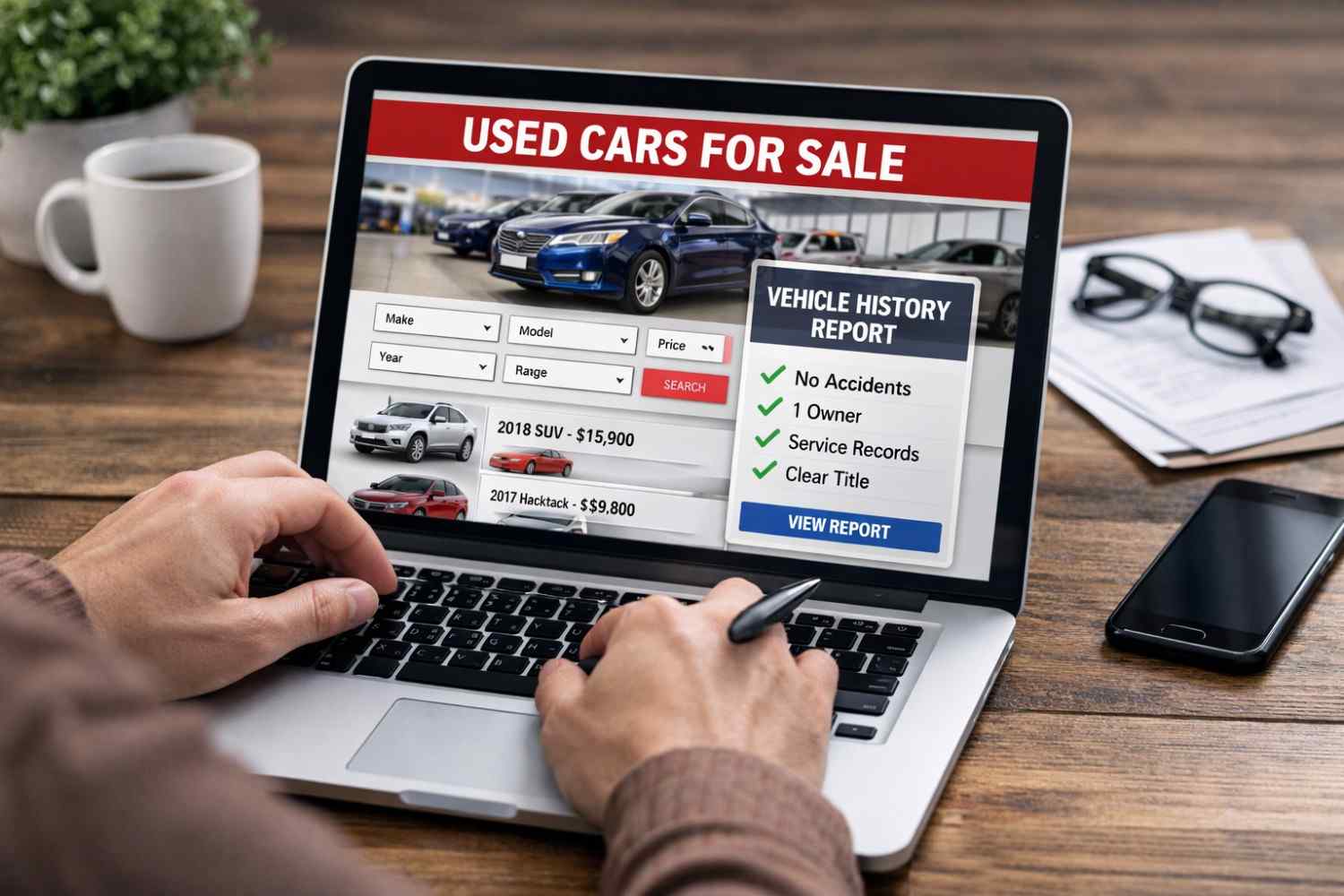
Research is key to a successful used car purchase in 2026. The internet provides an abundance of tools, such as Kelley Blue Book (KBB), Edmunds, and Autotrader, that let you easily compare prices and check the market value of your prospective car.
Key Steps for Research:
-
Check Vehicle History Reports: Use RTA to review a vehicle’s history for maintenance records, accidents, or recalls.
-
Compare Prices: Compare prices across different platforms to ensure you’re getting the best deal.
-
Read Reviews and Ratings: Consumer reviews and expert opinions will help you assess the model’s reliability and performance.
Pro Tip: Always request a Pre-Purchase Inspection (PPI) from a trusted mechanic to uncover hidden issues.
2. Consider the Total Cost of Ownership (TCO)
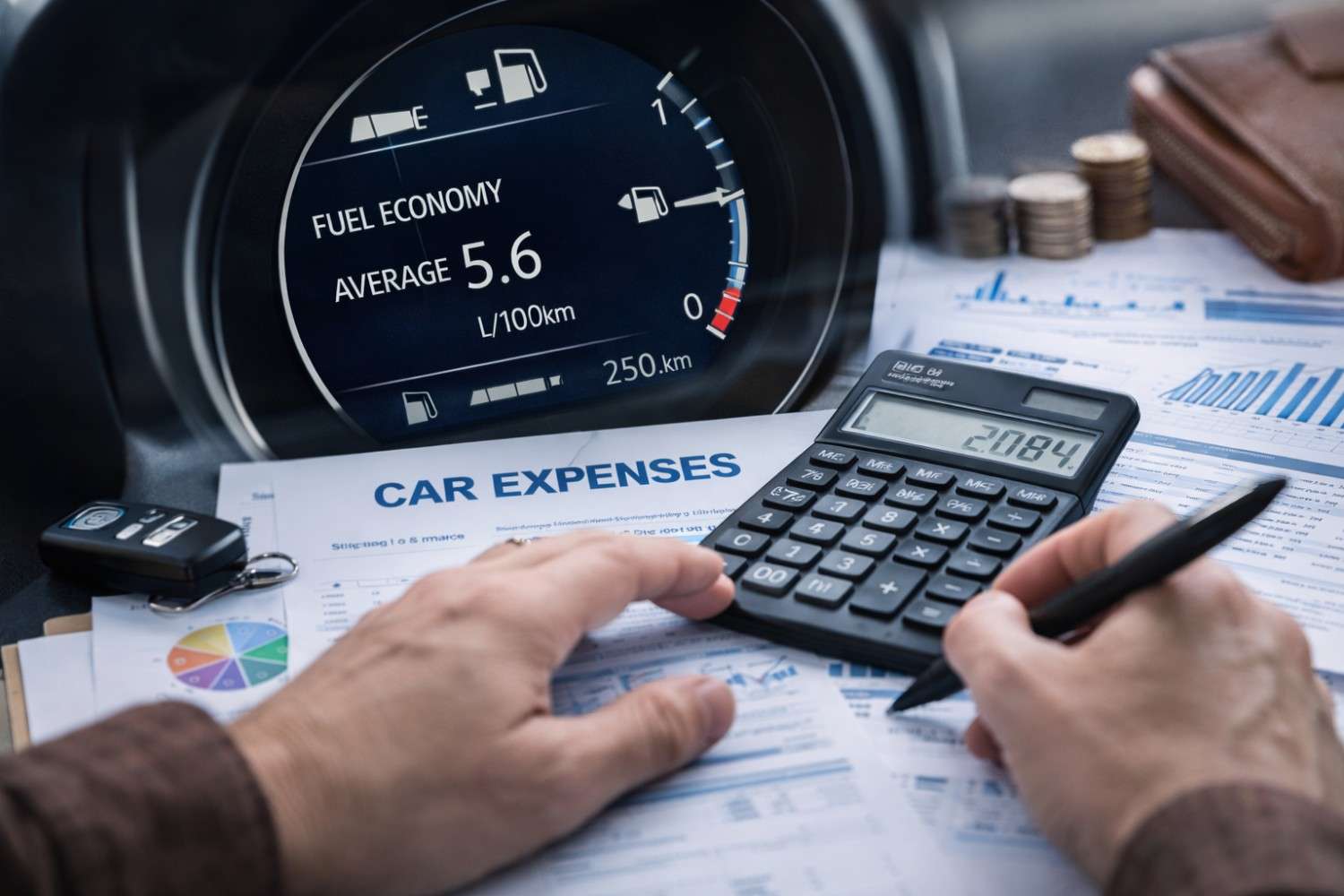
While the upfront price is important, the total cost of ownership (TCO) is just as crucial. Some vehicles may be cheaper to buy but come with higher maintenance or fuel costs over time.
Things to Consider in the TCO:
-
Fuel Economy: Vehicles with better miles per gallon (MPG) will save you more money, especially as gas prices fluctuate.
-
Maintenance and Repairs: Some models have a reputation for being more reliable than others, reducing repair costs over time.
-
Insurance Costs: Some cars cost more to insure than others. Make sure to get an insurance quote before committing.
-
Electric and Hybrid Options: With more affordable EVs and hybrids in 2026, you may qualify for tax incentives. Be sure to check government rebates for these cars.
Pro Tip: Time your purchase in late fall or winter for the best deals as dealerships clear out inventory.
3. How to Inspect a Used Car Like a Pro
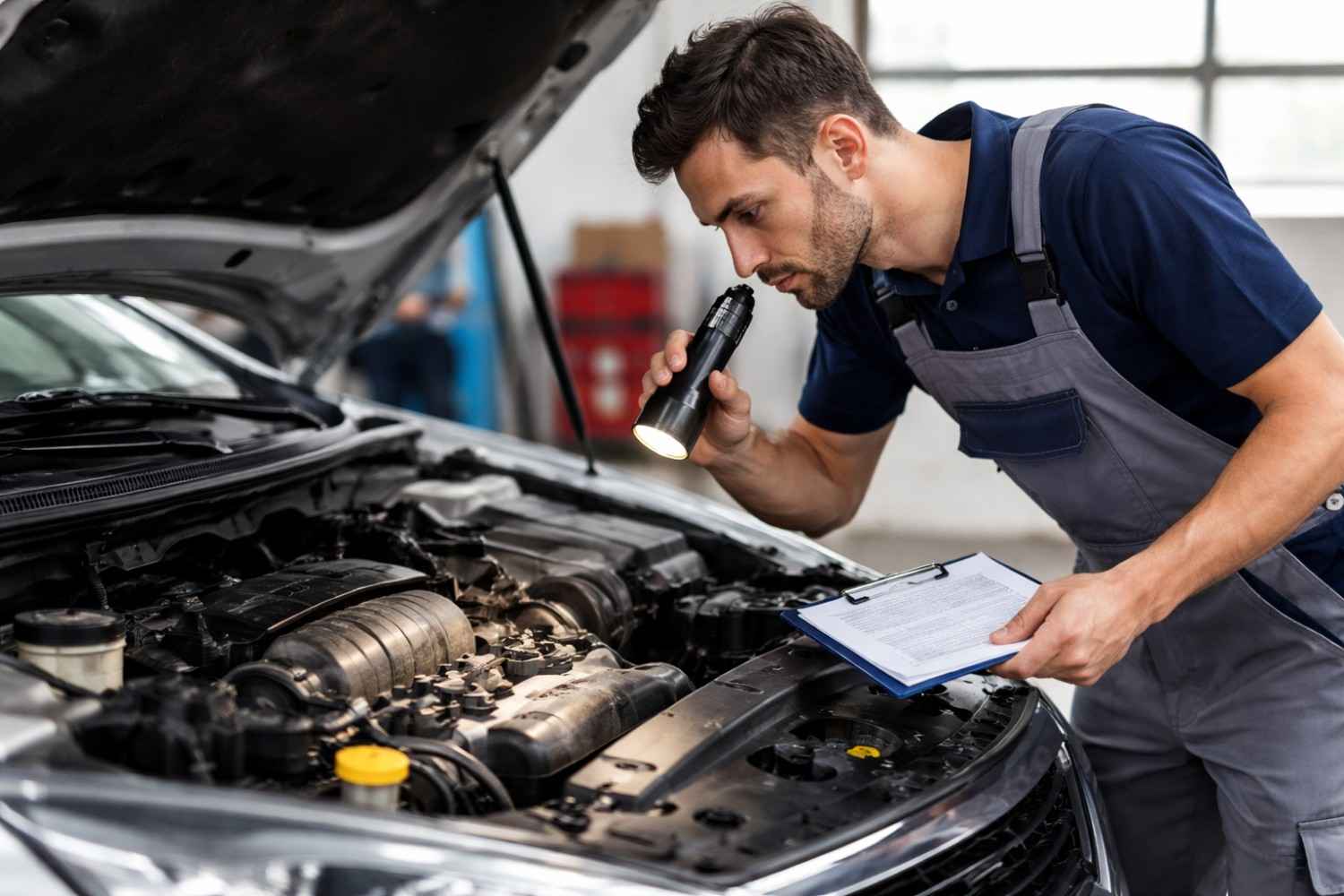
Always inspect a used car thoroughly before making a purchase. Whether buying from a dealership or a private seller, a careful inspection can help you avoid costly surprises.
What to Inspect:
-
Exterior: Look for rust, dents, or any mismatched paint that might indicate an accident.
-
Interior: Ensure that the upholstery, dashboard, and electronics are in good working condition.
-
Under the Hood: Check for leaks or unusual noises that might suggest engine trouble.
-
Tires and Brakes: Worn-down tires or faulty brakes could indicate poor maintenance, so make sure they’re in good condition.
4. Don’t Skip the Test Drive
The test drive is a crucial part of the car-buying process. It gives you an opportunity to evaluate the car’s handling, comfort, and overall condition. Pay attention to how the car feels and sounds while driving.
Key Things to Check During the Test Drive:
-
Braking and Acceleration: Ensure the car accelerates smoothly and that the brakes don’t squeal.
-
Suspension: Listen for any unusual noises from the suspension, as this can indicate issues.
-
Comfort and Visibility: Ensure the car is comfortable and that visibility is unobstructed, especially when adjusting mirrors and seating.
5. Negotiate Like a Pro
Negotiation is an essential part of buying a used car. Dealerships often mark up the prices of used vehicles, so there’s usually room to haggle. If you’ve done your research and know the car’s market value, you’ll be in a stronger position during negotiations.
Negotiation Tips:
-
Know the Fair Market Value: Based on your research, know what the car is worth, and use that information during negotiations.
-
Point Out Issues: If the car has flaws or minor issues, use them as leverage to negotiate a lower price.
-
Be Ready to Walk Away: If the seller isn’t willing to meet your price, don’t hesitate to walk away. There are plenty of other vehicles available.
6. Avoid Overpaying with Financing
With rising interest rates on used car loans, securing a good financing deal is more important than ever. Before committing to a loan, check the rates available to you from various lenders, including banks, credit unions, and online platforms.
How to Avoid Overpaying:
-
Check Your Credit Score: A good credit score will help you secure a lower interest rate.
-
Consider Pre-Approval: Pre-approved loans can help set your budget before you start shopping.
-
Evaluate Loan Terms: Look for the best interest rates and loan terms to avoid high monthly payments.
7. Consider Certified Pre-Owned (CPO) Vehicles
Certified Pre-Owned (CPO) vehicles are used cars that have passed a thorough inspection and come with a manufacturer’s warranty. These vehicles offer added peace of mind and often include additional benefits.
Benefits of CPO Vehicles:
-
Extended Warranty Coverage: CPO cars are often backed by a manufacturer’s warranty, which can provide additional protection.
-
Thorough Inspections: These cars undergo detailed inspections to ensure they are in top condition.
-
Lower Depreciation: A CPO car depreciates more slowly than a non-certified used car, resulting in a better return on investment.
How This Affects Your Car-Buying Journey in 2026
If you buy a used car in 2026, you’ll need to look beyond just the price tag. Do your research, factor in the total cost of ownership (TCO), and negotiate smartly based on the car’s true value. A Pre-Purchase Inspection (PPI) can help uncover hidden issues, and timing your purchase right, such as shopping during the off-season, could get you a better deal. With the right approach, you’ll be set to find a reliable car that saves you money in the long run.
Quick Checklist for Buying a Used Car in 2026:
-
Research: Compare prices on Kelley Blue Book and Edmunds.
-
Vehicle History: Check for accidents/issues.
-
Inspect: Look for damage and key component issues.
-
Test Drive: Ensure smooth driving and comfort.
-
TCO: Consider maintenance, fuel, and insurance costs.
-
Negotiate: Use your research to haggle for a better price.
-
Financing: Compare rates and get pre-approved.
-
CPO: Opt for Certified Pre-Owned for extra reliability.
Frequently Asked Questions (FAQs)
Q1: How do I know if I’m getting a good deal on a used car?
Check the vehicle’s history, compare prices, and research its market value. A thorough inspection and test drive will help identify any hidden issues.
Q2: Are electric or hybrid used cars a good option in 2026?
Yes, they’re becoming more affordable, and you may qualify for government incentives. However, consider factors like battery life and charging infrastructure.
Q3: Should I buy a used car from a dealership or a private seller?
Dealerships may offer more protection, including warranties, while private sellers might offer lower prices. Always inspect the car carefully, regardless of the seller type.
Conclusion
Buying a used car in 2026 requires careful consideration and strategic planning. By following these expert tips, from researching market prices to negotiating effectively, you’ll be better prepared to make a smart purchase. Prioritize factors such as total cost of ownership (TCO), vehicle inspection, and financing to ensure a smooth, cost-effective car-buying experience.
For more in-depth car-buying guides and the latest market insights, head over to the ArabWheels blog. Stay ahead with expert advice for your next purchase!
