


Key Takeaways
- Badge engineering saves billions in development costs by sharing platforms across brands.
- Most changes are cosmetic: different styling, badges, interiors, and trim levels.
- Famous twins include the GR86/BRZ, Tahoe/Yukon/Escalade, and various GM-Honda EVs.
- Benefits include lower prices, more choices, and sometimes genuinely better alternatives.
- Downsides involve paying premiums for minor differences and brands losing uniqueness.
- Always research before buying; the cheaper badge might be the smarter choice.
- Electric vehicles are accelerating badge engineering as battery platforms cost billions.
What Exactly is Badge Engineering?
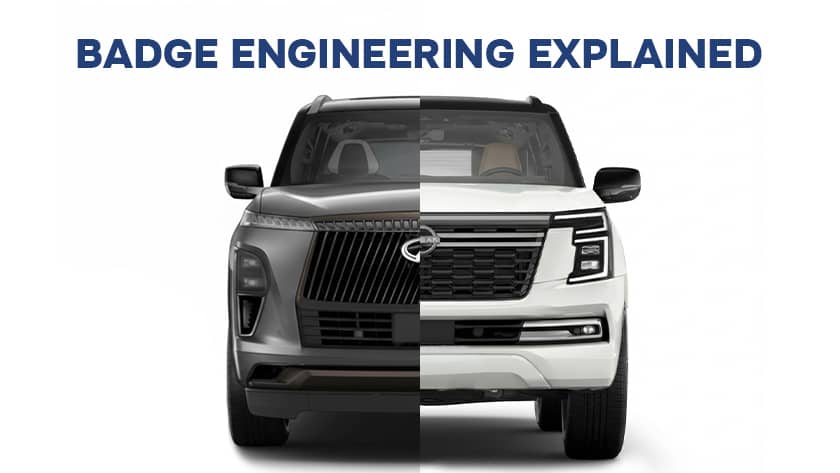
Picture this: you walk into different phone stores and see nearly identical devices. Same screen, same camera, same processor. The only differences? Other brand logos and maybe a new color option. That’s badge engineering in the automotive world, just on a much larger scale.
Car manufacturers take one vehicle they’ve already designed and engineered. They use the same engine, chassis, and most body components. Then they sell it under different brand names with minor cosmetic changes. Think of it like identical twins wearing different outfits.
They look slightly different on the surface, but underneath, they’re the same person.
Why Do Automakers Love Badge Engineering?
Building a car from scratch costs billions of dollars: design teams, crash testing, factory tooling, and regulatory approvals. The list goes on forever. Instead of burning cash on completely new models, companies get creative.
They share development costs by making one solid car and selling multiple versions. This lets them quickly fill holes in their lineup without waiting years. Need a compact SUV tomorrow? Just rebadge an existing one from your partner company.
Different versions can target totally different buyers, too. One badge screams budget-friendly reliability while another whispers luxury and refinement. A third might promise rugged adventure: same bones, distinct personalities.
Partnerships make this even easier. Toyota and Subaru are practically best friends in the world of badge engineering. They split development costs, share risks, and both walk away with products to sell. It’s smart business that keeps prices lower and dealerships stocked.
How Different Are These Automotive Twins Really?
Most changes are purely cosmetic, affecting only what you see and touch. Manufacturers swap out logos and badges on the grille, trunk, and wheels. They redesign the front fascia to give each version a unique face. Headlights and taillights get different shapes or lighting signatures.
Interior changes usually involve different trim materials, dashboard layouts, or seat designs. Color options vary between brands to match their typical customer preferences. Sometimes you’ll see different wheel designs or slightly altered body cladding.
The mechanical differences are typically minor. One version might offer an engine option, the other doesn’t. Suspension tuning can vary slightly to match each brand’s driving character. But the fundamental platform, transmission options, and safety structure remain identical.
In the best examples, these cars actually feel quite different to drive, even though 80-90% of the components are shared. The worst examples? They’re basically sticker swaps with wildly different price tags.
Real-World Examples You’ve Probably Seen
Toyota GR86 and Subaru BRZ are probably the most famous recent twins. These affordable sports coupes share almost everything except styling and minor suspension tuning. Toyota handles more of the design while Subaru provides the engine. Both companies win, and driving enthusiasts get two great options.
Chevrolet Tahoe, GMC Yukon, and Cadillac Escalade are the ultimate American examples. These massive SUVs share identical platforms and powertrains.
- Chevrolet positions theirs as the practical family hauler.
- GMC adds rugged styling and towing credibility.
- Cadillac goes full luxury with premium materials and advanced tech: same capability, vastly different price points.
- Toyota 4Runner and Lexus GX show how Toyota rebadges for its own luxury division. The rugged 4Runner gets softer styling, quieter cabins, and premium features as the GX. It’s the same reliable off-road platform wearing a tuxedo instead of hiking boots.
- Chevrolet Blazer EV and Honda Prologue represent modern electric badge engineering. Both use GM’s Ultium battery platform and electric motors. Chevy offers more performance variants while Honda focuses on understated family friendliness: different software, different styling, same electric guts.
- The 2026 Nissan Rogue Plug-in Hybrid is basically a rebadged Mitsubishi Outlander PHEV.
- Toyota and Subaru continue collaborating on electric SUVs, such as the bZ Woodland and its Subaru equivalent.
In markets like India and Japan, badge-swapping is common among small SUVs and kei cars.
The Upside: Why Badge Engineering Actually Works
Cheaper development means automakers can offer more competitive pricing. When costs get split between multiple brands, savings sometimes reach consumers. Not always, but sometimes. Buyers get more choices without waiting half a decade for new designs.
If you hate one brand’s styling but love the mechanics, check if there’s a twin. You might find the perfect alternative at a better dealer or at a better price point.
- Some rebadged versions genuinely improve on the original.
- Different suspension tuning can transform the driving experience.
- Better dealer networks mean superior service.
- Styling preferences are subjective, so one twin often resonates more than the other.
The Downside: When Rebadging Goes Wrong
The biggest complaint? Paying significantly more for basically the exact vehicle. Luxury badges can add $20,000 or more for leather seats and a fancier logo. That math doesn’t always work out for consumers. Badge engineering can make brands feel lazy and uninspired.
When everything in a lineup is rebadged, the brand loses its identity. Customers start questioning what they’re really paying for beyond the nameplate. The most famous disaster was the 1980s Cadillac Cimarron. They took a basic Chevrolet Cavalier compact car and slapped on Cadillac badges.
The luxury buyer wasn’t fooled. The car became a punchline and damaged Cadillac’s reputation for years.
Smart Shopping Tips for Savvy Buyers
Always research platform sharing before buying. Wikipedia has comprehensive lists of badge-engineered vehicles. Automotive forums love discussing these relationships in exhausting detail. Read professional reviews comparing twin models.
Sometimes one version drives noticeably better despite shared components. Reliability ratings can differ based on quality control or specific features. Don’t let badges cloud your judgment. A luxury nameplate doesn’t automatically mean better quality or performance.
Compare specifications, test drive both versions, and negotiate based on actual value. The “lesser” badge might be the smarter purchase.
Conclusion
Badge engineering isn’t disappearing anytime soon. If anything, it’s accelerating. Electric vehicle platforms cost even more than traditional ones. Developing batteries, motors, and software requires massive investment.
Expect more partnerships between unlikely companies. More twins wearing different clothes. More chances to find the exact car you want under a different name. The game has changed, but the strategy remains the same. Smart shoppers who do their homework will keep winning.
What are your views on Badge Engineering in Cars? Let us know in the comments below. Keep following the Arabwheels Blog for more content like this.