

Have you ever been confused by the terms AWD (All-wheel drive) and 4WD (Four-wheel drive)? If yes, you’re not alone. Many drivers are perplexed about buying a vehicle that is suited for their daily driving needs while keeping road conditions in mind.
Knowing the difference between AWD and 4WD is as important as getting a car inspection. These drivetrain systems serve essential purposes and offer different advantages to your car. Whether you plan on driving your vehicle in areas like sandy deserts, highways, or mountains, pick the right drivetrain system to make daily driving anywhere easier and more enjoyable.
We can delve deeper into understanding the differences and key features of AWD and 4WD.
4WD (Four-wheel Drive)
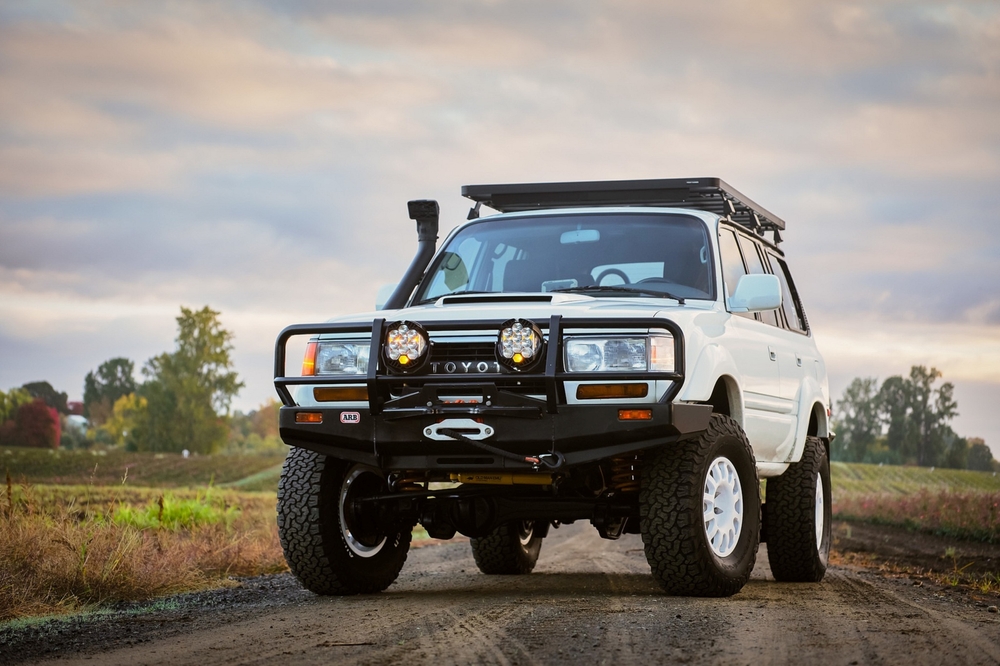
4WD, also known as four-wheel drive or 4×4, is a drivetrain system commonly found in trucks and off-road SUVs. This 4×4 drivetrain maximizes traction on rough roads with sand and mud, which can make it challenging for a vehicle to provide a smooth ride. The 4×4 drivetrain system makes it easier.
4WD (Four-wheel Drive) Features
- Manual Transmission: Power can be sent manually to all four wheels, which is especially useful in tough off-road areas like mountains or deserts
- Selectable Modes: Many 4WD (Four-wheel drive) systems can be turned on/off or switched between high and low ranges.
- Low-range gearing: Allows for increased torque at low speeds, useful for climbing or pulling
- Durability: Built tough for rugged use and heavy loads.
AWD (All-wheel Drive)
AWD, also known as All-wheel drive, is more associated with sedans and crossovers. These drivetrain systems are all automatic and always in action. AWD (All-wheel drive) systems enhance on-road traction and stability on slippery roads and highways. These systems work full-time without the need for driver intervention. AWD (All-wheel drive), in comparison to 4WD (Four-wheel drive), is more fuel efficient, making daily adventures and long highway drives more practical.
AWD (All-wheel Drive) Features
- General cost: Less expensive and allows for minimum maintenance. Best for city drives and running errands daily
- Traction Management: Power is automatically distributed to all wheels through the use of sensors and computers
- Driver intervention: AWD (All-wheel drive) system can adjust on its own regarding road conditions; hence, it requires less driver intervention
- On-road Traction: It is best suited for driving conditions in snow, rain, or wet pavement. Once again, it makes daily driving comfortable and less hectic.
How Do AWD and 4WD Differ
While both systems focus on improving traction, design, and function, the two cases differ significantly.
AWD (All-wheel drive) is more suited for highway cruising or a weekend getaway. It is a full-time system and requires less driver involvement, which can suit drivers who are mostly on highways and running everyday errands. On the other hand, 4WD (four-wheel drive) does both part-time and full-time work. This drivetrain system can be a favorite for adventurous drivers, commonly traveling through mountains and tough terrain roads, providing immaculate off-road performance.
Both these systems are equally essential, with AWD (All-wheel drive) being a solid choice for everyday cruising drivers and 4WD (Four-wheel drive) being preferred by more adventure-driven drivers.
Pros and Cons Of AWD (All-wheel Drive)
Pros of AWD (All-wheel drive):
- Improved Traction: AWD (All-wheel drive) automatically sends power to all wheels, maintaining traction in slippery road conditions
- Better handling: Offers more stable handling in the rain, snow, wet pavement, etc.
- Fuel Efficiency: Maximum fuel efficiency, which optimizes the vehicle for everyday use
- Automatic system: No need to hassle around switching modes. The automatic system gets you driving carefree.
Cons of AWD (All-wheel drive):
- Better for on-road performance: AWD (All-wheel drive) is better suited for the on-road experience and can be challenging on rough terrains.
- Maintenance: Managing and maintaining sensors and electronics can be costly.
- Vehicle weight: Additional vehicle tech and systems can increase the vehicle’s weight, decreasing acceleration and fuel economy.
Pros and Cons Of 4WD (Four-wheel Drive)
Pros of 4WD (Four-wheel drive)
- Off-road performance: 4WD (Four-wheel drive) is a must-choice for off-road terrains like mountains, deserts, and rocky pathways
- Towing capacity: 4WD (Four-wheel drive) increases control, which can manage heavy loads
- Fuel economy: Will send power to all wheels when engaged only, saving fuel economy.
- Flexibility: Can be switched between modes for flexibility, depending on road conditions.
Cons of 4WD (Four-wheel drive)
- Manual engagement: Requires the driver to switch on/off modes, which can sometimes be inconvenient
- Not on-road ideal: Challenging for on-road cornering or high-speed driving on highways
- More Maintenance: More components require more repair costs.
Which one to choose: AWD or 4WD
Trying to select the right drivetrain can be confusing, but not when you consider their purposes. Both 4WD (Four-wheel drive) and AWD (All-wheel drive) provide exceptional performance, but in different driving conditions.
AWD (All-wheel drive) is a solid choice if you see yourself driving in the city, on highways, or in any downtown area. If you live in urban or suburban areas where bad weather is common, it can get slippery and require strong traction on wet pavements. Additionally, if you want safety with automatic input and less driver involvement
4WD (Four-wheel drive) is ideal for drivers who live in remote areas with rugged terrains. If you are an adventure enthusiast, a 4WD drivetrain system is your option. You can easily tow heavy loads for camping on a mountain, or you can go for a ride on rugged off-road paths. By managing rough terrains, 4WD (Four-wheel drive) will ensure a safe driving experience and add more adventurous places to your wish list.
Conclusion
Choosing between 4WD (Four-wheel drive) or AWD (All-wheel drive) isn’t about which is superior; it’s about which suits your lifestyle and driving conditions better. For off-road enthusiasts tackling rugged terrains or steep mountain paths in the UAE, a sturdy 4WD (Four-wheel drive) system delivers the power and control needed. On the other hand, if you’re dealing with wet roads, icy commutes, or unpredictable weather, an AWD (All-wheel drive) provides seamless traction and stability with minimal driver input.
As automotive technology advances, the difference between these two systems becomes less pronounced, but their strengths remain. Consider your driving environment and needs, and you’ll be better equipped to choose the right drivetrain that enhances safety, confidence, and overall driving experience.
Follow the Arabwheels blog for more interesting blogs like this one.
In need to buy or sell a car in the UAE? No stress, visit our site to explore a wide range of options.
