
Apple CarPlay Is Ruining Automotive UI Innovation
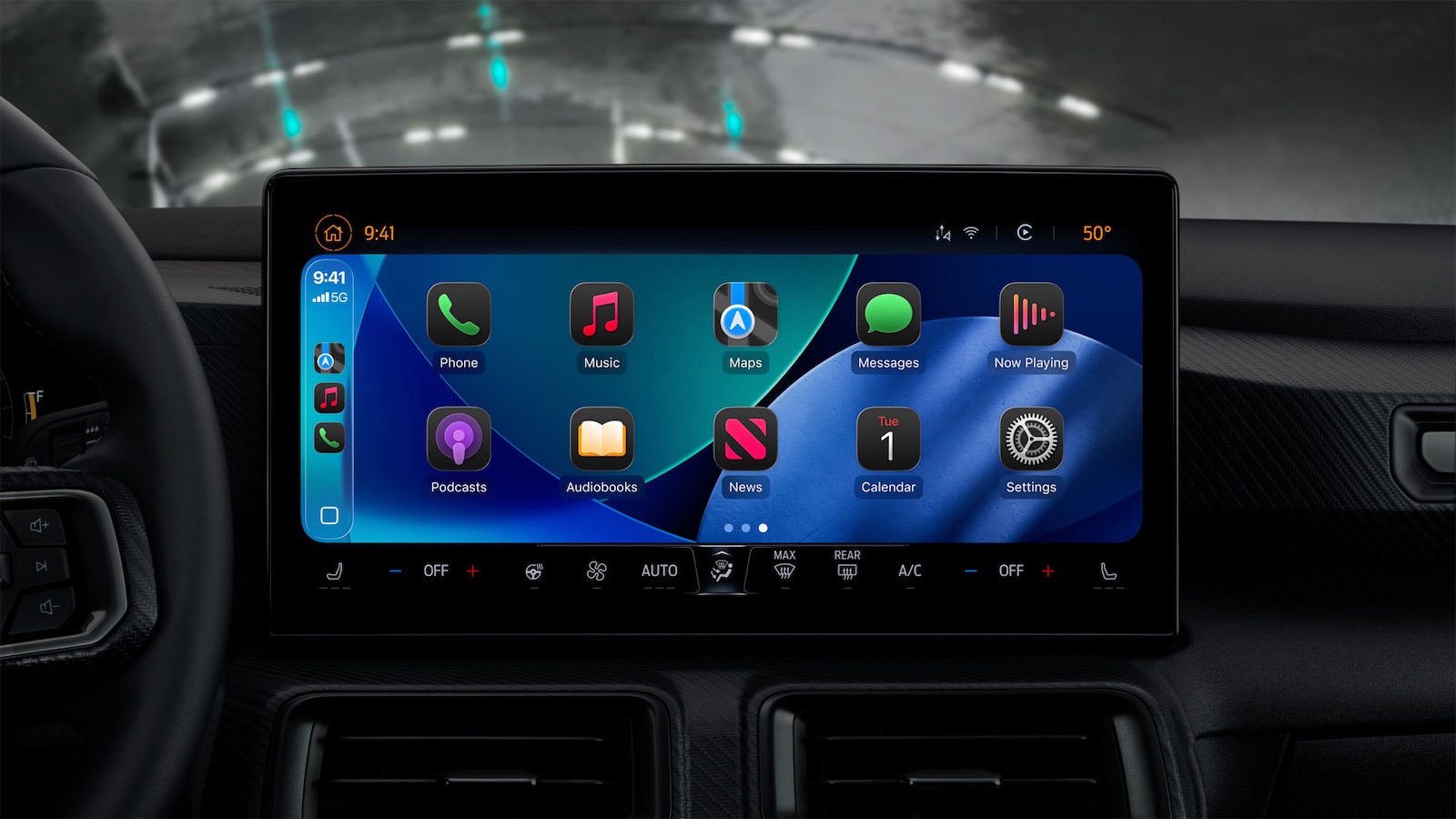
You bought a new car. Premium interior, crisp display, and a badge that turns heads. Everything feels worth the price until you power it up. There it is. Apple CarPlay again. Maps, music, messages — all arranged in the same familiar grid.
It looks just like the screen in your last car. Or the rental you drove last week. Or the taxi you took this morning. You spent real money on something that feels like everyone else’s.
The Silent Takeover No One Noticed
CarPlay didn’t storm into the industry. It slid in quietly. Carmakers were tired of building infotainment systems no one liked. So when Apple offered an easy fix, they said yes. CarPlay made people happy. It worked smoothly. Drivers stopped complaining.
And just like that, car brands stopped trying. Apple CarPlay became the default solution. It’s now in almost every new car. Not because it’s perfect. But because it’s good enough. Not long ago, infotainment systems varied significantly from one brand to another.
BMW had iDrive. Audi’s MMI was sharp. Even Lexus had its weird touchpad that made you feel like a pilot. These systems weren’t always user-friendly. But they had character. They gave the car a voice of its own.
Now? Every car screen displays the same layout the moment you plug in your phone: the same icons, colors, and everything else. You could be in a Peugeot or a Porsche. It all looks identical.
Car UI Used to Be a Design Statement
Infotainment screens once reflected the car’s personality. A Range Rover’s system looked elegant. A Tesla’s interface felt futuristic. You could feel the brand’s identity in how the screen moved or responded. Now your infotainment screen is just an iPhone stretched sideways.
That massive screen you paid extra for? It does the same job as the one in your friend’s economy hatchback: no soul, no flavor, just software.
CarPlay Is Making Drivers Shallow — And Slower
Let’s be honest. Most people plug in their phone and never touch the car’s own system. They don’t explore drive modes or ambient settings. They don’t learn voice commands or check update options.
CarPlay becomes the entire driving interface.
We’ve gone from understanding our cars to just understanding Apple’s latest update. Your vehicle has features you probably don’t even know exist, because you never looked. Apple CarPlay doesn’t make driving smarter. It makes it simpler. Sometimes, it’s too simple for our own good.
Who’s Actually in Charge Here?
Here’s the twist. You don’t control your screen, Apple does. They decide which apps are allowed. They shape what you see and how you interact with it. They manage updates. They collect data. They limit layout customizations.
Even luxury automakers can’t override Apple’s restrictions. You bought the car. But Apple still owns part of the experience. The more you depend on Apple CarPlay, the less your vehicle feels like yours.
So What’s the Alternative?
Let’s be fair. CarPlay is reliable. It feels smooth and familiar. It beats most outdated factory systems. And for most people, that’s enough. But comfort isn’t the same as progress. If we only accept what works right now, we stop imagining what could be better.
Automakers should still try to innovate. They should build systems that feel as polished as CarPlay — yet still feel like their own.
You didn’t buy your car just for the engine or the design. You bought it because it reflected you. But now every interior screen feels the same. If brands want to continue charging premium prices, they must offer premium experiences.
Copy-pasting a phone UI into every car isn’t premium. It’s lazy. It’s time we expected more from in-car tech. Not just convenience — creativity. Because your dashboard shouldn’t feel like a smartphone, it should feel like a statement.
Conclusion
We’ve confused similarity with simplicity, and we’re paying for it with the loss of automotive personality. CarPlay is useful, but it’s also safe, and safe doesn’t push the industry forward. Innovation needs risk and flavor. It requires brands to try — even if they fail a few times.
Until then, we’re not driving into the future. We’re just scrolling through it. But that’s just our opinion, and we’d love to hear yours as well in the comments below. Thanks for reading till the end. Keep following the Arabwheels Blog for more content like this.
For more insightful blogs, stay tuned to Arabwheels!