
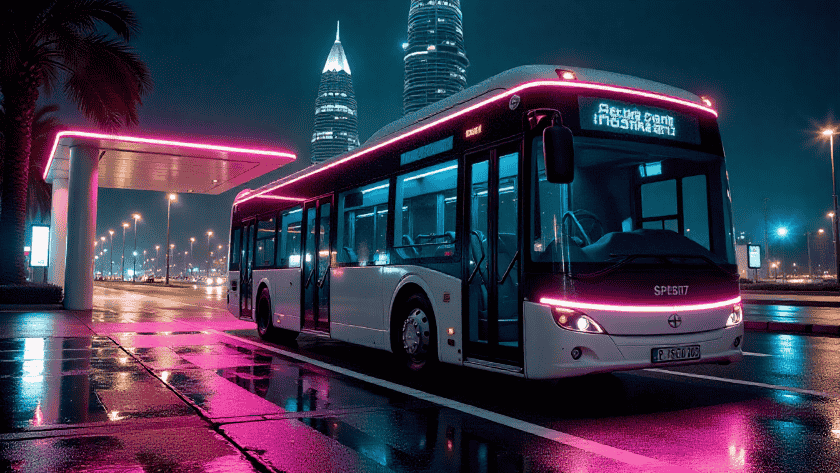
How AI is Making Dubai’s Buses 50% More Punctual
Dubai’s RTA is making significant strides in improving the city’s bus service. With the introduction of AI, Dubai’s buses now run 50% more punctually, offering more reliable commutes for passengers. This development doesn’t just benefit bus riders. It’s part of a broader effort to make public transport more efficient and eco-friendly.
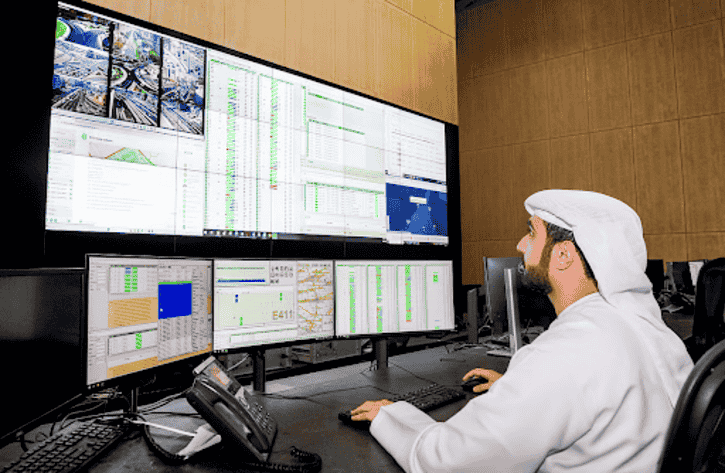
AI Makes Dubai’s Buses More Reliable for Commuters
The integration of AI in Dubai’s buses enables the RTA to manage traffic more effectively. By using real-time traffic data, buses are rerouted when necessary, avoiding traffic jams and reducing delays. This means passengers are more likely to catch a bus on time, and their ride will be faster.
Dubai’s buses are equipped with GPS tracking, and AI uses this information to optimize routes, adjusting schedules based on live conditions.
For commuters, this technology means no more waiting around for a bus that’s stuck in traffic. The system also reduces the unpredictability often associated with bus schedules, ensuring a smoother travel experience.
The Environmental and Financial Benefits for Passengers
AI doesn’t just make Dubai’s buses more punctual. It also helps reduce costs for passengers. By decreasing delays, buses spend less time idling, which leads to lower fuel consumption. This translates into a more cost-efficient operation for the RTA, potentially leading to more affordable fares in the future.
In addition, AI’s ability to reduce emissions is a significant bonus for both passengers and the environment. Fewer delays mean less fuel waste, which helps Dubai reach its sustainability goals. As a result, commuters can feel good knowing they’re contributing to a greener, cleaner city.
How Dubai’s Buses Compare to Transport Systems Worldwide
While Dubai is taking significant steps with AI in public transport, it’s not the only city to harness this technology. Singapore, for instance, has been using AI to optimize its public transport system for years. Singapore’s Smart Mobility 2030 initiative has incorporated AI into its buses and metro systems, allowing real-time tracking and automated routing to improve punctuality.
London’s transport system is another example. The city uses data analytics and AI to adjust its bus services dynamically. AI algorithms allow London’s buses to avoid traffic hotspots, ensuring they stick to their schedules. Dubai’s AI bus use is impressive for its quick rollout, leading to a 50% boost in punctuality.
What’s Next for Dubai’s Buses?
The success of AI in Dubai’s buses has set the stage for even more innovations. The RTA plans to expand AI’s role across other modes of transport in the city, such as taxis and metro services. With smart transportation becoming the future of urban mobility, Dubai aims to make all public transport systems as efficient and user-friendly as possible.
Passengers can expect further improvements in service, including more accurate schedules, fewer delays, and a greater range of routes covered. The integration of AI could eventually lead to fully autonomous public transport, making commuting even easier and more convenient.
Conclusion
AI has made Dubai’s buses 50% more punctual, improving travel times, reducing delays, and contributing to a greener city. These improvements offer clear benefits for commuters, including reduced waiting times and a lower environmental impact.
Compared to other smart transportation systems around the world, Dubai is making rapid progress in utilizing AI to enhance public transportation. As the system evolves, Dubai’s buses will continue to set the standard for efficiency and sustainability in the UAE.
What do you think of the new AI-powered Dubai buses? Share your thoughts in the comments below! Keep following the Arabwheels Blog for more content like this.