


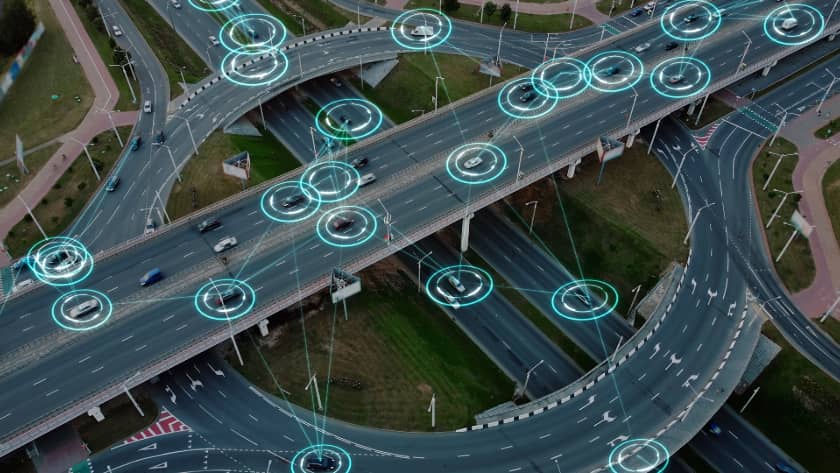
Abu Dhabi has launched a new real-time traffic system powered by predictive AI to reduce crashes before they occur. The system marks a shift in traffic management, moving from reaction-based responses to a proactive model grounded in data and AI.
Officials say the platform offers real-time monitoring, risk forecasting, and smart enforcement based on live road behaviour.
From Reactive to Predictive
The Integrated Transport Centre (ITC) developed this platform to support Abu Dhabi’s goal of achieving zero traffic fatalities by 2040. Instead of waiting for crashes to occur, the system identifies risky driving patterns and accident-prone zones.
Sumaya Al Niyadi, Head of the ITC’s Traffic Safety Section, said the new strategy is built around predictive analytics and AI. It monitors behaviours such as harsh braking, tailgating, and red-light violations in real time. Using computer vision and machine learning, the system generates:
- Heat maps showing high-risk intersections
- Alerts about predicted crash locations
- Severity forecasts based on behaviour and historical data
Integrated with Citywide Traffic Systems
The predictive AI system is fully linked to Abu Dhabi’s wider smart traffic network. It shares data with:
- Signal control systems to adjust traffic lights dynamically
- Accident response platforms to reduce emergency wait times
- Health department records to assess injury severity and trends
This integration allows teams to deploy patrols or engineers to hotspots more efficiently. Traffic planners can also track the impact of interventions like road redesigns or new signage. Al Niyadi said the system produces daily safety reports and lets authorities evaluate which measures work best in each location.
What’s Coming Next
The next rollout phase will include:
- More AI-equipped cameras across Abu Dhabi’s urban and suburban roads
- Connected vehicle data integration, sharing location and speed data with the platform
- A new smart traffic safety guide, offering site-specific recommendations based on evidence and cost-benefit analysis
Al Niyadi confirmed the Centre is also developing enhanced prediction models that analyse human driving behaviours over time. These tools will help anticipate not just where accidents happen, but why.
A Roadmap to Safer Mobility
Authorities believe predictive AI will play a central role in Abu Dhabi’s journey toward safer, more responsive road systems. This strategy reinforces the emirate’s leadership in intelligent mobility and data-driven planning.
Conclusion
By deploying predictive AI, Abu Dhabi is turning data into a road safety asset. The system enhances early intervention, supports connected mobility, and moves the city closer to its Vision Zero goal.
What are your views on Abu Dhabi Using Predictive AI to Reduce Traffic Crashes? Let us know in the comments below. For more updates on smart transport tech in the UAE, follow Arabwheels Blog.