


For first-time buyers, tire buying is a daunting task that requires a detailed understanding of its types, sizes, and other dimensions. A car tire comes with a code written on a tire sidewall. To buy the perfect fit for your vehicle, you must understand the markings on a tire sidewall to make an excellent purchase. You don’t want to end up with unmatched tires, so to avoid this, you need to learn the technical terms of tires for the overall performance and safety of your vehicle on UAE roads.
It may seem confusing to see random numbers and alphabets on the tire sidewall, which can overwhelm you. Therefore, it is vital to have basic knowledge of the optimal selection of tires. In this guide, we will explain the car tire code in detail so that you know how to read and determine the perfect fit for your vehicle.
What this blog Covers
-
Explains how to read tire codes on the sidewall to choose the right tire.
-
Breaks down key components, tire type, width, aspect ratio, construction, wheel diameter, load index, and speed rating.
-
Covers essential markings: tire pressure (PSI), traction & temperature grades, and manufacturing date (DOT).
-
Highlights the importance of selecting tires for performance, safety, and UAE road conditions.
-
Recommends consulting professionals for optimal tire choice and linking to related buying guides.
How to Determine Tire Size
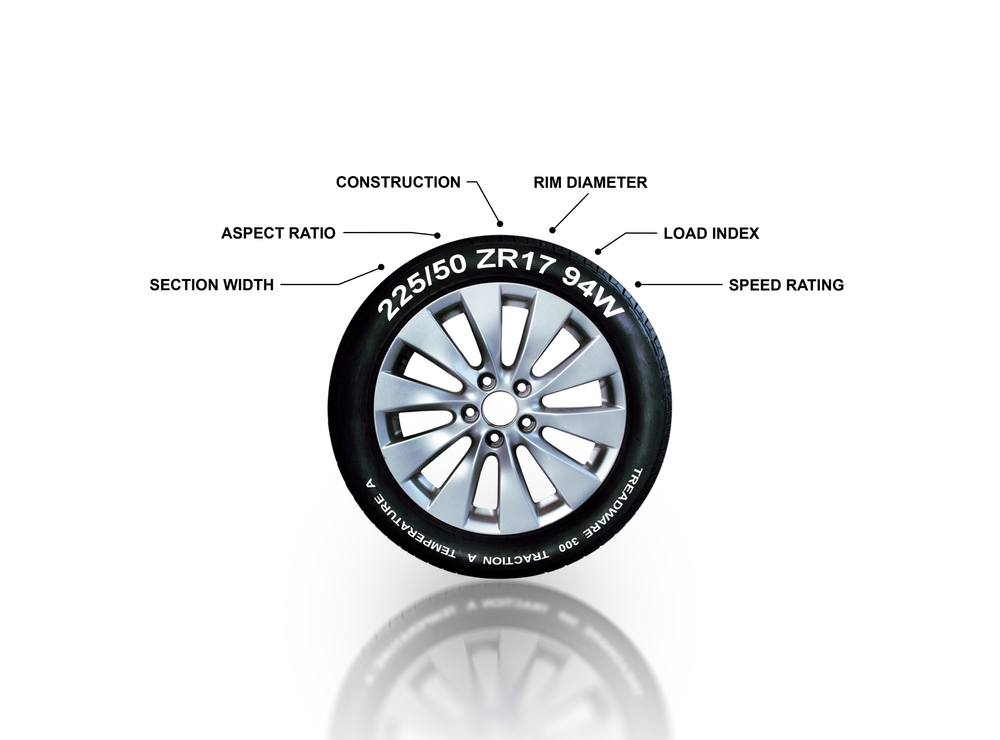
Let’s take a look at an example of car tire code, such as P185/75 R14 82S. This code consists of a series of numbers and letters that determine the size, load capacity, and type of tire. So, let’s understand each character one by one to know what they stand for in the tire guide.
a. Tire Type
The first letter of the code, such as P or Lt, determines the type of tire. The P letter indicates that the tire is for passenger cars, and the LT letters are a sign for heavy vehicles such as trucks that carry loads and goods. The LT tires are designed to have ample load capacity and higher inflation pressure. You can find the appropriate tire type by reading the car’s manual, or you can consult a professional for advice.
Learn more: Choose Right Tires For Your Vehicle in the UAE
b. Tire Width
The number after P indicates the width of the tire from one side to the other. For instance, the number 185 indicates the width of the tire, which is measured in millimeters.
c. Aspect Ratio
After the slash, the number you see is the aspect ratio, which indicates the height of the tire’s rims. The aspect ratio is shown in percentage, divided by the height of the rim to the width of the tire. For example, the number 75 shows that the height is 75% of the tire’s width. The greater the number, the taller the tire is, and the greater the performance. However, the bigger the tire, the more proper handling is required.
d. Construction
The letter R stands for Radial, which indicates that the internal construction moves in the tire’s radial direction. However, some tires have a B or D letter that indicates Diagonal or Bias-Ply Construction. When comparing both, the radial construction provides better traction and fuel efficiency, while the Bias-Ply Construction is for carrying loads and is mainly used for light trucks LT.
e. Wheel Diameter
The number next to the letter R is the wheel’s diameter, which indicates its size. It determines the size of the wheel measured in inches to be mounted on the tire. So, the number shown is 14.
f. Load Index
The load index indicates the load capacity the tires can hold when properly inflated. A tire can support a load capacity of 75 to 105. You can buy the appropriate tire by looking at the car’s manual for load index. The load index is measured in kilograms and pounds. The standard load starts from 80 and can hold up to 450 kgs or 992 lbs. You must get appropriate tires to carry vehicle weight and provide road safety and a quality driving experience.
g. Speed Rating
The last alphabet, S, indicates the speed rating of the tire. It means the maximum speed a vehicle can maintain with the load capacity of the tire in load indexes. From A to Z, each letter represents a specific speed limit; for example, the letter S is for a top speed of up to 112 mph. You can find your car’s top speed from the car’s manual and buy the tires with the letter mentioned in the guide for speed rating. Moreover, tires with a higher speed limit indicate better performance and high-speed capabilities. However, to maintain UAE’s’s legal speed limits even if your car tires have a higher speed rating.
Other Essential Tire Markings
There are also some other markings you can find on the tires.
a. Tire Inflation Pressure
The mark PSI indicates the level of air pressure in the tire. A balanced air pressure should be inflated for significant fuel efficiency and tread wear maintenance. Make sure the tire pressure is not under or overinflated, as it may impact performance and cause road accidents.
Learn more: Tire Pressure Tips for UAE
b. Traction Grades
The traction grades include AA, A, B, and C ratings. The higher the rating, the better traction the tire provides. The traction rate affects the tires’ performance on wet roads. Similarly, the temperature grades A, B, and C provide resistance to high temperatures. Especially in the UAE’s hot and humid climate, the high-temperature grade will be impactful in enduring the scorching heat and dry roads.
Date of Manufacturing
The date of Manufacturing DOT is a code of numbers that adheres to safety standards, including the manufacturing date. The last four digits represent the year of tire manufacture. This can determine that the tire you buy is authentic and not close to expiry. For example, 1223 indicates that the tire was manufactured in the 12th week of the year 2023.
Now that you know how to read codes written on the tire sidewall, you can easily interpret and determine the right tires for your vehicle. It is also recommended to seek professional help when buying car tires, as they can suggest better-quality tires for your vehicle’s needs.
Also read: Factors to Consider When Buying New Tires in the UAE to find the perfect tire for your vehicle.
FAQs: About car tire code
How do I know which tire size fits my car?
Check your car’s manual or the existing tire’s sidewall for the correct size code. Always match the width, aspect ratio, and wheel diameter.
What’s the difference between P and LT tires?
P tires are for passenger cars, while LT tires are designed for trucks or vehicles carrying heavy loads with higher inflation pressure.
Why is the load index important?
The load index tells you how much weight a tire can safely carry. Using the wrong load index can affect safety and vehicle handling.
What does the speed rating mean?
The speed rating indicates the maximum speed a tire can handle safely under its load capacity. Always choose a rating that matches or exceeds your car’s top speed.
How often should I check tire pressure and condition?
Check tire pressure monthly and before long trips. Inspect tires for wear, cracks, or bulges to ensure safety and prolong lifespan.
Final Thoughts
Understanding tire codes is essential for safety, performance, and comfort on UAE roads. Don’t leave your vehicle’s performance to chance; decode your tires before buying and make an informed choice.
Take an action: Check your current tires, know your car’s specifications, and choose the perfect set of tires today. For expert insights and tips on buying tires in the UAE, visit ArabWheels Blog. Drive safely with confidence!
