

A Detailed Guide to Latest Car Safety Features in the UAE
Explore the Cutting-Edge Car Safety Technologies Making UAE Roads Safer Than Ever

The automotive industry is evolving rapidly, integrating advanced designs, innovative functionalities, and next-generation safety systems. In the UAE, where traffic laws are among the strictest, modern vehicles are now required to include advanced car safety features that help prevent accidents and protect both drivers and pedestrians.
Due to technological advancements, innovative safety features have been developed beyond seatbelts and airbags. These features are designed to protect car owners from accidents on UAE roads and to prevent collisions. As a result, accidents have significantly reduced, ensuring safe and secure driving in the UAE.
While modern vehicles are equipped with intuitive safety features, car owners need to understand how to use them. Familiarizing oneself with these features can be instrumental in avoiding accidents and driving safely on UAE roads. In this blog, we will explore the modern safety features in today’s vehicles and their role in protecting passengers.
Key Insight
1. The UAE mandates advanced safety technologies in all vehicles to ensure road safety.
2. Features like ACC and AEB help prevent collisions automatically.
3 .BSD and LDW enhance driver awareness and reduce lane-related accidents.
4. ABS, TPMS, and ESC improve vehicle control and stability on UAE roads.
5. DMS and TSR keep drivers alert and compliant with traffic rules.
6 . Parking Assist and Adaptive Headlights enhance comfort and visibility for safer driving.
Advanced Safety Feature
Advanced safety features have revolutionized vehicle and driver safety, surpassing traditional measures. Here are the cutting-edge safety systems that you should be familiar with, whether you are a novice or an experienced driver.
Adaptive Cruise Control (ACC)
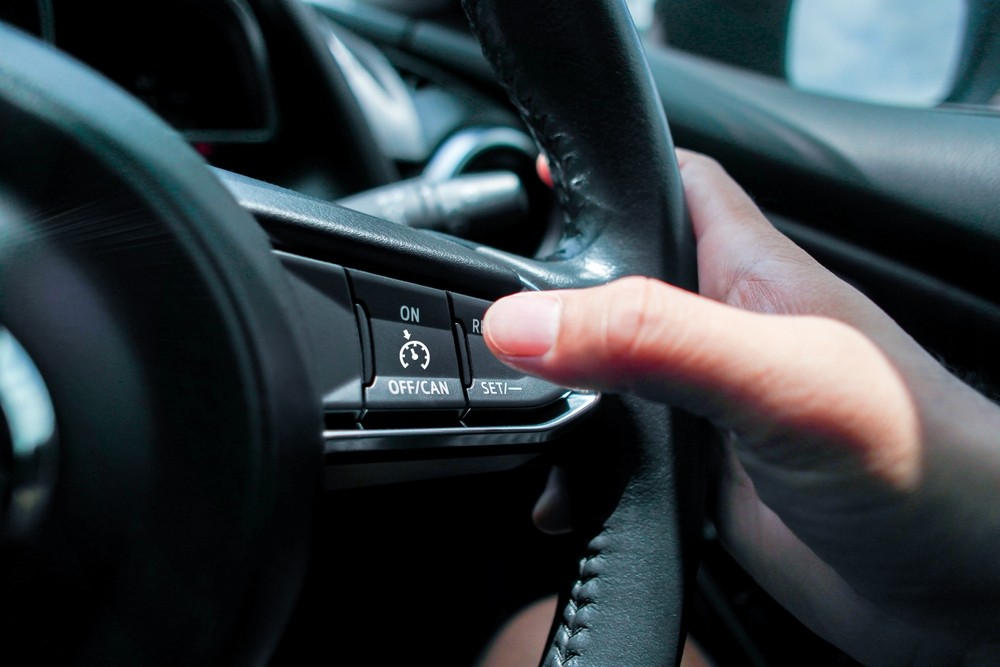
This technology is an advanced driver assistance feature that uses the car’s radars or sensors to adjust speed and maintain a safe distance from other vehicles.
It helps maintain a consistent speed on highways and prevents rear-end collisions. When ACC is activated, the car’s speed is automatically adjusted to maintain a safe distance and reduce the risk of collisions.
Automatic Emergency Braking System (AEBS)
The system scans the road ahead with cameras, detects potential forward collisions, and automatically applies the brakes. It uses advanced sensors to monitor the road and alert the driver if a potential risk is detected.
However, it is still essential to remain attentive and monitor your vehicle while driving, as the AEB system may not respond quickly, which can lead to accidents.
Blind Spot Detection (BSD)
Blind Spot Detection (BSD) uses sensors to detect vehicles in blind spots and areas that are not visible through side or rear mirrors. It detects the car and warns with a visual or audible signal, reducing the risk of collisions when making movements or changing lanes.
Lane Departure Warning (LDW)
During long trips, people tend to get distracted and drowsy while driving, which might lead to severe collisions. This technology is designed to alert drivers to unintentional lane drifting. It monitors your car’s position on the road and alerts you when your vehicle changes lanes without indication.
Forward Collision Warning (FCW)
FCW uses sensors to monitor collision risk and warn the driver to act immediately. It helps prevent sudden braking by the driver, which can cause collisions. Moreover, it predicts and advises drivers to be vigilant of pedestrians to avoid crashes.
Anti-Lock Braking System (ABS)
Modern cars are equipped with an essential system that prevents the tires from locking during hard braking. This system allows the driver to maintain better steering control, especially on slippery roads where the risk of skidding is high. As a result, this system is highly beneficial for emergency braking situations to prevent potential collisions.

Tire Pressure Monitoring System (TPMS)
This feature monitors a vehicle’s tire pressure and alerts the driver when a tire is significantly underinflated. It helps maintain the tires in optimal condition. Moreover, it enhances road safety and prevents tire blowouts in the middle of the trip.
Traction Control System (TCS)
Turning the traction control system on helps provide traction to the wheels on rough or slippery driving surfaces. In situations like driving on hills or in snow, traction control systems allow the vehicle to maintain traction by distributing power to the wheels, enhancing safety on challenging roads.
Driver Attention Monitoring (DMS)
This feature monitors the driver’s behavior using the cameras installed. It identifies signs of fatigue or drowsiness and alerts the driver to stay focused on the road. This system helps prevent accidents caused by a driver’s distracted driving.
Traffic Sign Recognition (TSR)
This helps recognize road signs, including speed limits, road conditions, and other essential information, through a heads-up display.
It helps reduce the risk of accidents and speeding tickets while traveling on highways. TSR uses forward cameras to detect traffic signs and help make informed decisions while driving.
Electronic Stability Control (ESC)
ESC is integrated into every modern car to detect tire traction loss and help stabilize the vehicle. It prevents vehicles from skidding by automatically applying brakes. It improves vehicle stability in challenging terrains.
Parking Assistance
In modern vehicles, parking assistance technology is integrated to help you park your car smoothly and hassle-free. In most cars, it can also automatically park using the vehicle’s advanced sensors. It takes control of the steering and effortlessly parks the car in a space.
Adaptive Headlights
This feature helps adjust a vehicle’s headlights as it moves. It automatically adjusts the headlight’s direction and brightness as the car moves.
This feature is especially helpful at night or when driving on hilly terrain. It enhances the driver’s visibility in low light by illuminating the road ahead of the steering wheel.
Why It Matters for UAE Drivers
The UAE’s unique driving conditions, high-speed highways, sudden weather changes like fog or sandstorms, and strict road regulations make advanced safety features essential. With heavy traffic in cities such as Dubai and Abu Dhabi, systems like Adaptive Cruise Control (ACC) and Blind Spot Detection (BSD) help drivers maintain safe distances and prevent lane-change collisions.
Moreover, the Roads and Transport Authority (RTA) continually promotes road safety awareness and enforces regulations that require modern vehicles to include these technologies. To stay updated on official safety guidelines, visit the RTA official website.
Practical Tips for Safe Driving in the UAE
-
Regularly check systems like ABS, TPMS, and ESC.
-
Use ACC wisely on highways; stay alert in heavy traffic.
-
Adjust driving during fog or sandstorms with Adaptive Headlights.
-
Follow RTA speed limits and monitor road signs via TSR.
-
Keep tires properly inflated and stay attentive, even with driver assist systems.
Frequently Asked Questions (FAQ)
1. Why are advanced safety features important in UAE vehicles?
Advanced safety features help reduce accidents and ensure compliance with strict UAE road regulations. They assist drivers in maintaining control, preventing collisions, and enhancing overall road safety.
2. Which safety features are mandatory in UAE cars?
While the UAE mandates basic features such as airbags, ABS, and ESC, most modern cars also include advanced systems such as AEB, LDW, and BSD to enhance driver and passenger protection further.
3. What is the most useful safety feature for highway driving in the UAE?
Adaptive Cruise Control (ACC) is highly beneficial on UAE highways. It automatically adjusts your car’s speed to maintain a safe distance from the vehicle ahead, reducing fatigue and improving comfort during long drives.
4. How does the Automatic Emergency Braking System (AEB) work?
AEB detects potential collisions using cameras and sensors. If a crash seems imminent, it automatically applies the brakes to reduce impact or avoid the collision altogether.
5. How can I make sure my car has these safety features?
When buying a new or used car in the UAE, check the manufacturer’s specifications or consult the dealership to ensure the vehicle includes essential safety technologies like ABS, ESC, ACC, and BSD.
6. Do these safety systems replace the driver’s responsibility?
No, these features are driver assistance systems, not substitutes for attention. Drivers should remain alert and use these technologies as tools to enhance safety, not rely on them entirely.
Conclusion
If you’re in the market for a new or used car in the UAE, it’s crucial to ensure that the vehicle you choose includes these essential safety features. These features are necessary for both car owners’ and pedestrians’ safety on the roads. Prioritize modern safety features when selecting a car to improve your safety.
To learn more about official UAE road safety regulations and driving standards, visit the Roads and Transport Authority (RTA) official website.
Drive Smarter, Drive Safer, Stay Ahead with ArabWheels. Your safety on UAE roads starts with knowledge. Learn more about the latest automotive innovations, expert car reviews, and essential driving tips on ArabWheels Blog.
Stay informed, choose the right car, and make every drive a safe journey!
