
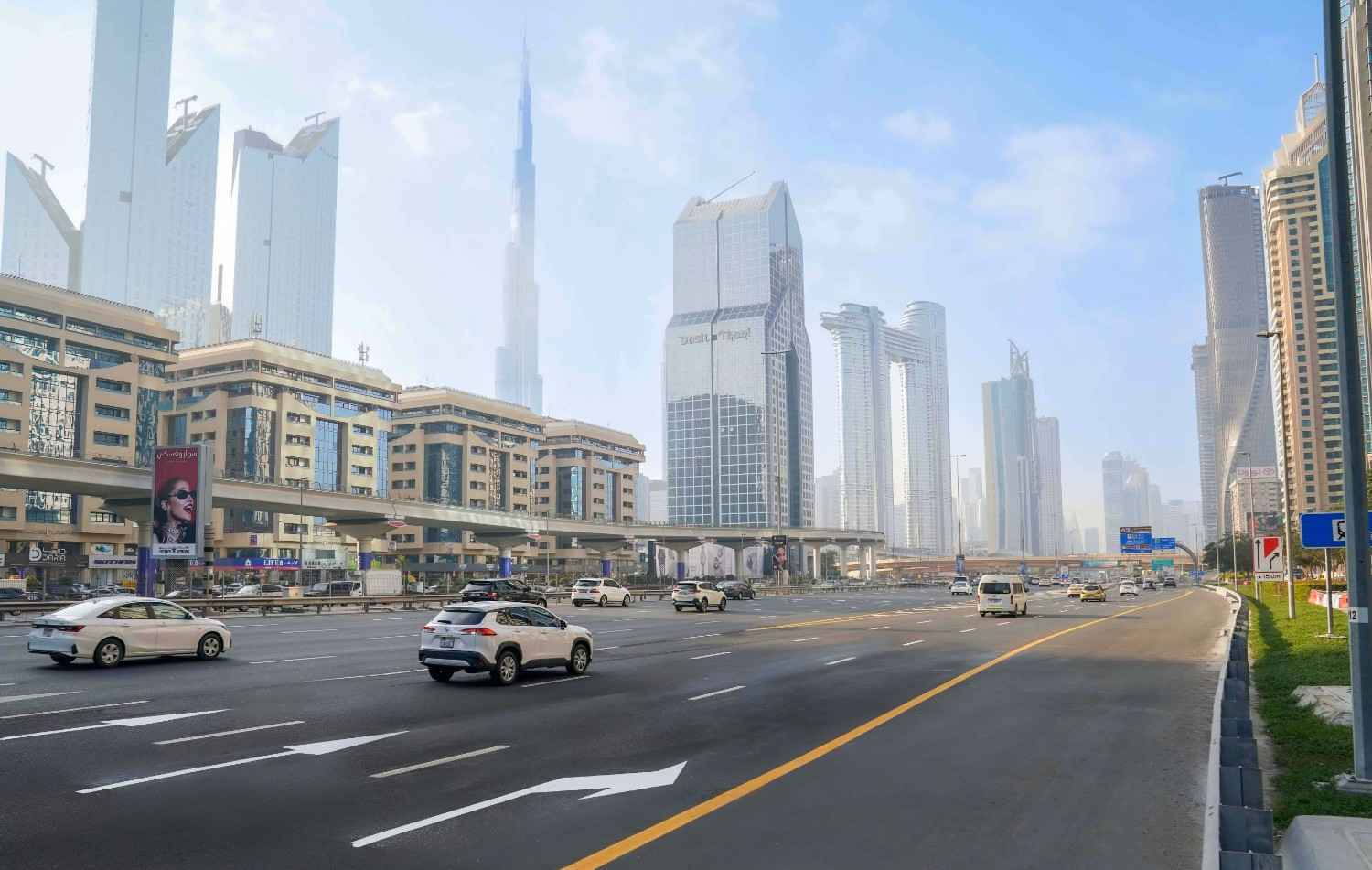
Why Road Accidents Increase During War Tension in The UAE
How fear, distraction, and speeding can make UAE roads more dangerous during periods of regional tension

Regional tension does not stay on television screens or phone alerts. It often follows people onto the road. Road accidents during conflict can rise as fear, stress, and uncertainty affect driving behavior. In Dubai and across the UAE, tense situations can quickly change driver behavior. Breaking news, emotional calls, and constant notifications can pull attention away from the road. As a result, speeding, distraction, and poor lane discipline become more common on already fast-moving streets and highways.
Even when the conflict is not happening inside the UAE, the psychological impact can still be real. Stress does not stay in the mind alone. It shows up in delayed reactions, sudden braking, risky overtaking, and poor judgment. For everyday drivers, that means roads can become less predictable during unstable periods. Understanding these changes is the first step toward staying safe.
Key Highlights
-
Stress can quickly affect a driver’s focus and reaction time.
-
Panic may lead to speeding, tailgating, and unsafe lane changes.
-
Phone distraction becomes more common during breaking news cycles.
-
Dubai’s fast roads leave little room for emotional driving mistakes.
-
A few simple habits can reduce risk right away.
Road Accidents During Conflict: Why Stress Turns Normal Driving Dangerous
When drivers feel anxious, overloaded, or distracted, their decision-making changes. That is why road accidents during conflict become a real concern during periods of instability. In Dubai and across the UAE, many people stay glued to live updates, social media posts, and urgent family messages. While that response is understandable, it also creates a dangerous mix of emotional stress and divided attention.
This matters even more on high-speed roads, where safe driving depends on focus, timing, and lane discipline. A moment of distraction can cause late braking, missed blind spots, or a rushed lane change. For more everyday prevention advice, check our Safe driving tips in the UAE.

Why Tension Changes Driver Behavior
War tension does not need to be local to change how people behave behind the wheel. In a hyper-connected region, stress travels fast. Drivers absorb pressure through headlines, voice notes, family concerns, and nonstop social updates. Over time, the brain becomes overloaded. When that happens, people react more slowly, miss hazards, and make decisions they would normally avoid.
The Three Biggest Behavior Shifts
Panic Speeding
Some drivers try to move faster when they feel stressed or rushed. However, speed reduces the time available to react and increases the force of impact in a crash.
Distracted Driving
Many drivers keep checking their phones for updates during tense periods. That breaks concentration and takes their eyes off the road at critical moments.
Aggressive Maneuvers
Stress can also lead to tailgating, sudden swerving, and sharp lane changes. On Dubai’s busy roads, those choices can trigger collisions within seconds.
How Road Accidents During Conflict Happen
The danger is not just about traffic volume. It is about how stress affects the driver’s mind and body.
| Trigger | Driver Response | Road Risk |
|---|---|---|
| Breaking war news | Looks at the phone | Delayed braking |
| Anxiety or fear | Drives faster | Higher crash impact |
| Mental overload | Misses mirrors | Unsafe lane changes |
| Emergency calls | Splits attention | Sudden swerving |
| Rumors and uncertainty | Acts impulsively | Tailgating and road rage |
Dubai roads require constant awareness. Wide highways, multiple lanes, and heavy traffic flow leave very little room for error. Even a short lapse in attention can have serious consequences.
What Drivers Should Take Seriously Right Now
Your risk can increase even when you are driving carefully. During tense periods, you may share the road with people who are distracted, emotionally overwhelmed, or reacting impulsively. So the real question is not only whether you are driving safely. It is whether you are leaving enough margin for someone else’s mistake.
That shift in mindset matters. Leave extra space between vehicles. Expect sudden braking. Stay out of blind spots longer than usual. Keep your phone silent and out of reach. These habits may sound basic, but basic habits save lives. Calm, disciplined driving is deeply underrated.
Practical Steps to Stay Safer on UAE Roads
Before Starting Your Trip
-
Check your route once, then put the phone away.
-
Finish emotional conversations before driving.
-
Delay the trip if you feel upset, distracted, or mentally overloaded.
While Driving
-
Reduce speed, even if the road seems clear.
-
Increase the following distance.
-
Avoid weaving through lanes.
-
Focus only on official alerts, not rumors or social chatter.
For Families and Employers
-
Avoid sending non-urgent messages to people who are driving.
-
Delay non-essential updates during major breaking events.
-
Encourage drivers to pull over before checking phones.
Pro tip: During periods of regional tension, slow down, leave more space between vehicles, and ignore non-essential calls or alerts until you stop safely. On busy UAE roads, calm and disciplined driving can reduce crash risk more than most drivers realize.
Why This Matters More in Dubai
Dubai has some of the region’s most advanced roads, but it also has fast-moving traffic and strict lane discipline. That makes distracted or emotional driving even more dangerous. A stressed driver may brake late, drift slightly, or switch lanes too sharply. On a busy highway, that is often enough to cause a collision.
Drivers should also understand the legal side of risky behavior, especially the penalties for speeding, phone use, and unsafe driving habits, as covered in our Dubai traffic fines guide.
That is why road accidents during conflict deserve serious attention. The risk is not always dramatic or obvious at first. Instead, it builds quietly through stress, distraction, and poor decisions.
Safety Comparison: Normal Driving vs Tension-Period Driving
| Driving State | Normal Condition | During Tension |
|---|---|---|
| Attention | Stable | Easily broken |
| Speed control | More measured | More impulsive |
| Lane discipline | Usually steady | More sudden changes |
| Phone use | Lower | Often higher |
| Emotional control | Better | More fragile |
Frequently Asked Questions (FAQs)
Why do road accidents during conflict increase even far from the war zone?
Because stress travels faster than geography. News alerts, family concerns, and emotional overload can affect driver behavior even in physically safe places.
Is speeding really that dangerous on urban highways?
Yes. Higher speed reduces reaction time and increases both crash risk and injury severity. In plain English, the faster the mistake, the worse the outcome.
What is the safest response during high-tension news cycles?
Drive slower, check your phone only when parked, and leave more space than usual. It is not glamorous, but neither is a tow truck.
Can distracted driving lead to fines in Dubai?
Yes. Distracted driving, unsafe lane changes, and other risky actions can lead to penalties in Dubai. Drivers should review official traffic rules and violation details on the Dubai Police and RTA Dubai websites.
Final Thoughts
The smartest move is simple: slow down, stay alert, and leave more space around your vehicle. You cannot control regional tension, breaking news, or how other people react on the road. However, you can control your speed, your focus, and your decisions behind the wheel. That is what keeps you and others safer when pressure rises.
In the end, road accidents during conflict increase when panic takes control. Calm driving, better judgment and fewer distractions can make a real difference. For more road safety updates, practical driving advice, and the latest UAE motoring insights, read more on ArabWheels Blog.
