
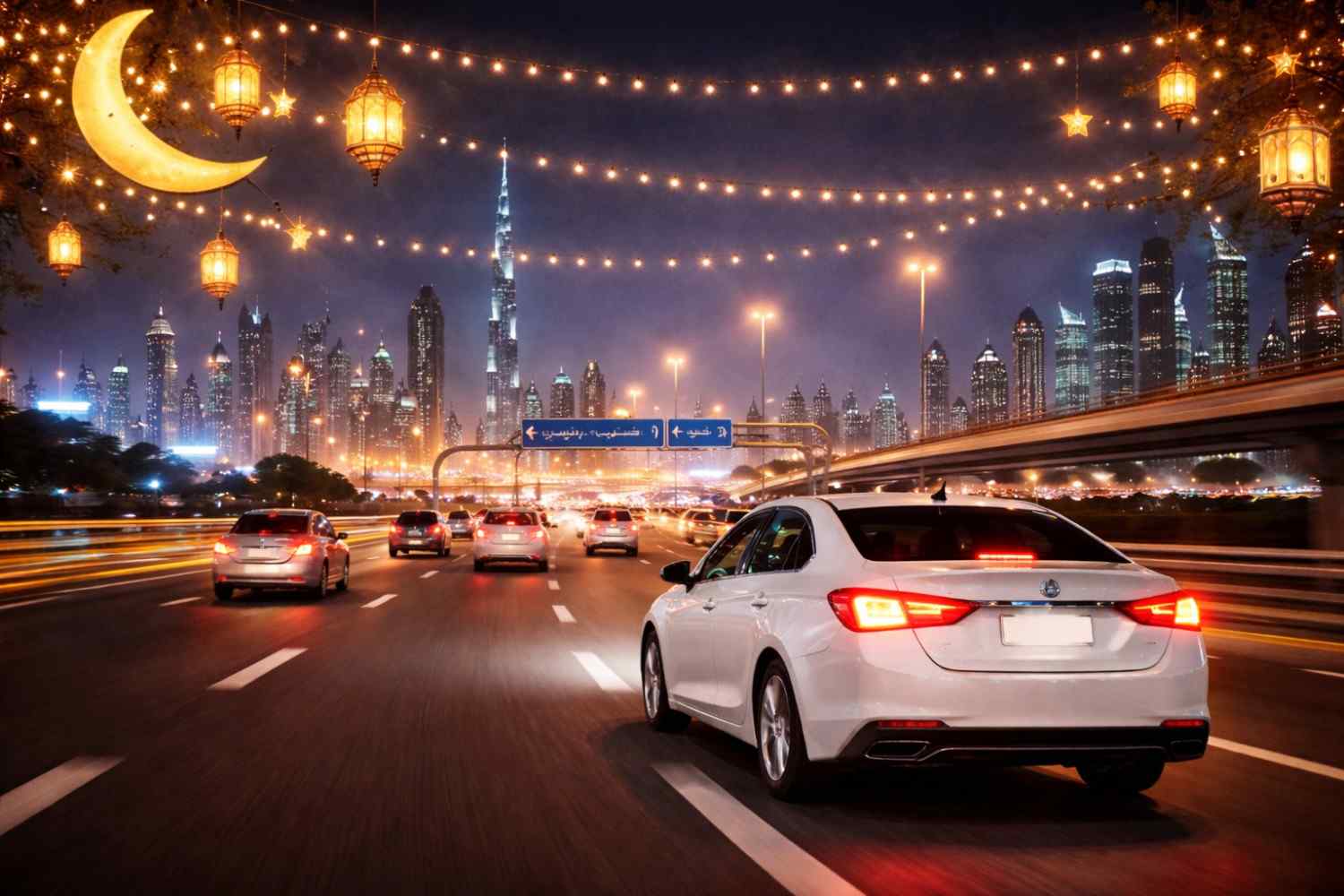
How to Stay Safe While Night Driving During Ramadan
A Practical Guide for Alert and Safer Roads During Ramadan Nights

Ramadan changes daily routines across many cities. Work schedules shift, evenings become social and roads remain active long after midnight. As a result, night driving during Ramadan becomes more common for commuters, delivery drivers and families returning home after Iftar or preparing for Suhoor.
However, the human body does not easily adjust to these routine changes. Sleep disruption, fasting fatigue, and dehydration can reduce reaction time and concentration. When these factors combine with limited visibility and busy roads, the risk of accidents increases.
Understanding how to manage fatigue, maintain visibility and drive responsibly can help drivers stay safe throughout the holy month.
Key Highlights
-
Night travel increases significantly during Ramadan because of Iftar gatherings and Suhoor routines.
-
Driver fatigue and reduced visibility are the biggest safety risks during late-night travel.
-
Simple habits such as proper rest, hydration, and vehicle checks can prevent accidents.
-
Cities such as Doha and Karachi often see heavy post-Iftar traffic congestion.
-
Authorities, including the Roads and Transport Authority, recommend extra caution during Ramadan nights.
Why Night Driving Changes During Ramadan
Ramadan creates unique traffic patterns that affect how people travel at night.
Altered Sleep Cycles
Many people stay awake later for prayers, gatherings, and meals. At the same time, early work schedules often remain unchanged. This shift reduces sleep duration and affects alertness while driving.
Post-Iftar Traffic Surges
Traffic volumes often increase at specific hours during Ramadan.
| Time Window | Traffic Pattern |
|---|---|
| 6:30–8:30 PM | Heavy traffic after Iftar |
| 10:00 PM–12:00 AM | Social outings and shopping |
| 3:00–5:00 AM | Suhoor preparation and early commuting |
Reduced Alertness
Fasting can affect hydration and energy levels, which may slow decision-making on the road. Authorities such as the Roads and Transport Authority regularly remind drivers to stay rested and avoid speeding during Ramadan nights.
How to Prepare Before Driving at Night
Preparation can significantly improve safety when driving after dark.
Sleep First, Drive Later
A short 20- to 30-minute nap before a late drive can restore alertness. Even a brief rest helps improve concentration and reaction time.
Stay Hydrated
Hydration plays a major role in cognitive performance. Drinking enough water after Iftar helps maintain focus while driving. Avoid excessive caffeine because it may cause fatigue later in the night.
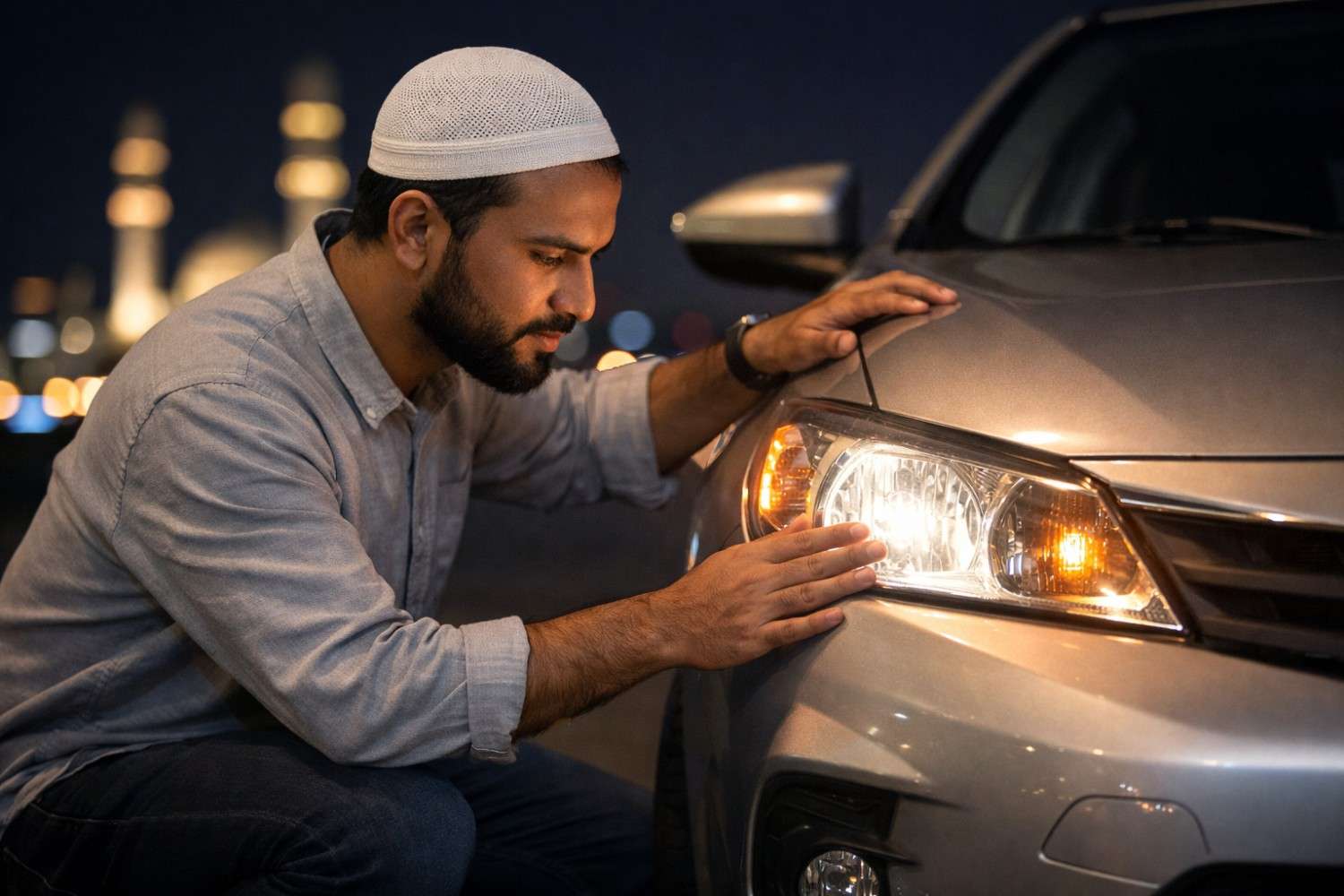
Check Your Vehicle Lights
Poor visibility often comes from poorly maintained lighting systems.
Before driving, check the following:
-
Clean headlights and windshields
-
Test brake lights and indicators
-
Adjust headlight alignment
-
Inspect wiper blades
These small steps greatly improve visibility at night in Ramadan.
Smart Visibility Techniques for Safer Driving
Driving after sunset requires different visual habits and road awareness.
Use Headlights Correctly
High beams are useful on empty roads but dangerous in heavy traffic.
Follow these simple rules:
-
Use low beams in city traffic
-
Switch to high beams only when roads are empty
-
Dim the lights when another vehicle approaches
Reduce Dashboard Brightness
Bright dashboards can strain your eyes and reduce night visibility. Lowering brightness slightly improves your ability to see the road clearly.
Keep a Safe Distance
Night driving reduces depth perception. Increase the following distance to at least three seconds from the vehicle ahead.
Why This Matters When You Drive at Night in Ramadan
Late-night travel during Ramadan is part of daily life for many people. Whether returning from Iftar gatherings or heading out for Suhoor, drivers often share busy roads with others facing similar fatigue.
Imagine driving home late at night after a long day of fasting. Traffic lights glare through the windshield and your reaction time slows slightly. Even a small delay in braking could increase the chance of an accident.
By planning rest, adjusting your driving habits, and keeping your vehicle in good condition, you can significantly reduce these risks. Better awareness makes night driving in Ramadan safer not only for you but also for everyone sharing the road.
Practical Safety Habits During Ramadan Nights
Small habits can make a big difference when driving late.
Follow These Quick Safety Rules
-
Avoid heavy meals immediately before driving
-
Keep the car interior ventilated
-
Take breaks every 60–90 minutes during long drives
-
Avoid aggressive acceleration and braking
-
Use navigation apps to avoid traffic congestion
Cities like Karachi and Doha often experience sudden traffic buildup after Iftar. Real-time navigation apps help drivers avoid crowded routes and reduce stress.
Recommended Driving Schedule
| Driving Time | Risk Level | Recommendation |
|---|---|---|
| Immediately after Iftar | Medium | Allow digestion time before driving |
| Late evening outings | Moderate | Stay hydrated and rested |
| Early Suhoor hours | High fatigue | Drive cautiously or carpool |
Managing travel timing reduces fatigue risks linked to night driving during Ramadan.
Additional Safety Advice from Transport Authorities
Transport authorities regularly remind drivers to maintain responsible road behavior during Ramadan.
Recommended practices include:
-
Respect speed limits
-
Avoid distracted driving
-
Maintain safe lane discipline
-
Ensure proper vehicle maintenance
Drivers can review road safety campaigns from official sources, such as:
These platforms frequently publish seasonal safety reminders for motorists.
For more driving and vehicle care tips, explore the Arabwheels:
This guide provides practical advice to help drivers keep their vehicles safer year-round.
Frequently Asked Questions (FAQs)
Why does fatigue increase during Ramadan driving?
Sleep disruption and altered meal schedules reduce energy levels and concentration, especially during late-night travel.
Is driving immediately after Iftar safe?
Yes, but heavy meals can cause drowsiness. Waiting about 30–45 minutes before driving improves alertness.
What is the biggest risk of night driving during Ramadan?
Driver fatigue combined with reduced visibility is the main risk factor.
How can drivers stay alert on long night drives?
Taking short breaks, staying hydrated, and maintaining good ventilation inside the car help maintain focus.
Final Thoughts: Drive Smart This Ramadan
Ramadan nights bring energy to the streets. Families meet after Iftar, communities gather for prayers, and many people travel late into the night. While these moments strengthen community connections, they also place greater responsibility on drivers.
Staying safe while driving at night during Ramadan requires planning and awareness. Getting enough rest, maintaining your vehicle, and practicing defensive driving can significantly reduce the risk of accidents.
Every careful decision on the road helps protect drivers, passengers, and pedestrians alike. Safe driving ensures that everyone reaches home safely after their evening gatherings.
For more practical driving advice, vehicle maintenance tips, and road safety insights, explore the latest guides on ArabWheels Blogs.
