
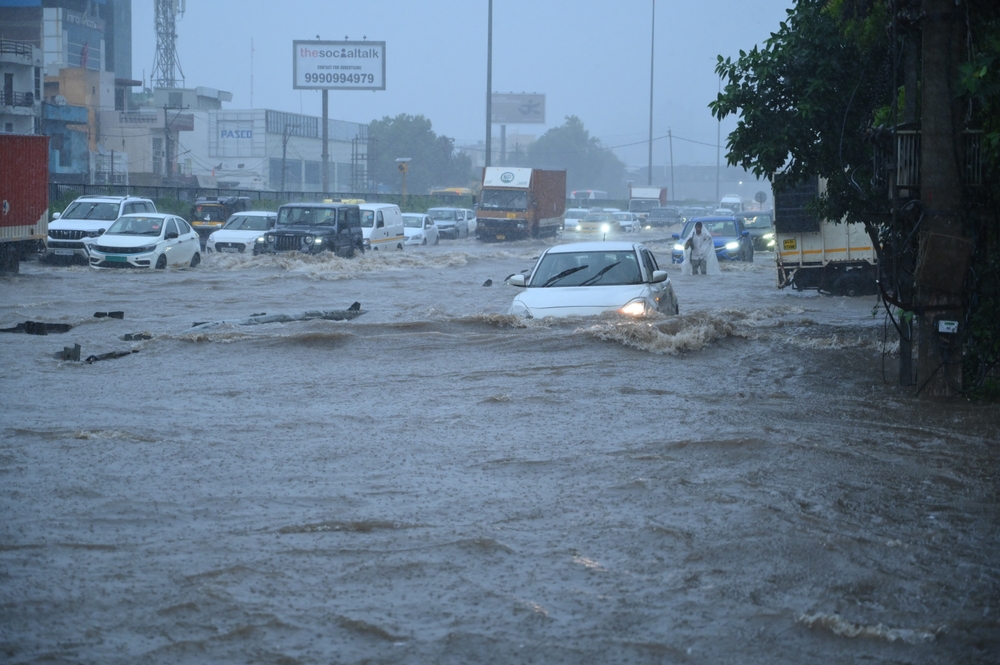
UAE Drivers Risk Insurance Claims by Ignoring Flood Safety Rules
Stricter insurer rules mean flood driving in the UAE could cost motorists their claims and raise premiums.

UAE drivers who ignore flood safety rules are increasingly at risk of having their UAE flood driving insurance claims denied. Insurers are applying stricter guidelines following the heavy rains of April 2024 and December 2025, making it essential for motorists to understand how negligence during floods can affect their coverage.
With rising vehicle repair costs, the growing prevalence of electric vehicles, and advanced automotive technologies, insurance premiums across the Emirates are climbing. Staying informed about flood risks, policy exclusions, and coverage requirements is now critical for both drivers and property owners to avoid unexpected financial losses.
What This Blog Covers
- How UAE flood driving insurance claims can be denied due to negligence.
- Risks and financial implications of driving through flooded areas.
- Factors driving rising insurance premiums, including EVs and advanced vehicles.
- Regulatory oversight, early warning systems, and insurer preparedness.
- Practical tips and safety measures for motorists during floods.
- Comparison of third-party vs comprehensive insurance coverage.
- FAQs and a quick checklist to prevent denied claims and protect vehicles.
How Flood Driving Impacts UAE Insurance Claims
The UAE insurance market has matured, and insurers are taking a stricter stance on claims linked to negligence.
Flood driving is a serious risk because:
-
Insurers now decline claims for negligence, such as driving into flooded wadis or high-risk areas.
-
Deep or fast-flowing water can damage vehicles beyond repair, particularly EVs and advanced cars.
-
Ignoring official weather warnings raises both accident risk and the chance of claim denial.
Expert insight: Ralph Kabban, CEO of United Insurance Brokers (UIB), says:
“Insurers are applying stricter policy interpretations, with claims declined for driving into known flooded wadis, high-risk zones, or heavily flooded roads where coverage exclusions may apply.”
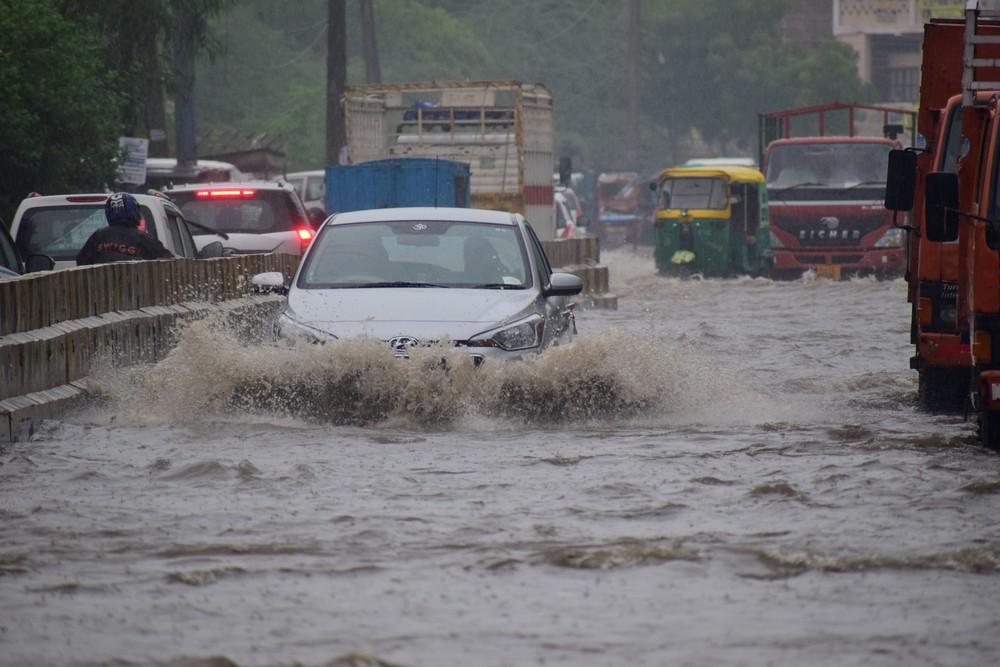
Key factors affecting insurance claims include:
-
Driving in known flood-prone areas.
-
Ignoring weather warnings and safety advisories.
-
Attempting to cross deep or fast-flowing waters.
Rising Costs and Insurance Premiums
Motor insurance costs in the UAE are increasing due to multiple factors:
-
Higher repair costs: Luxury vehicles and advanced technologies require costly repairs.
-
Electric vehicles (EVs): Specialized components and battery systems add to claim expenses.
-
Comprehensive coverage demand: More motorists are upgrading policies to protect against floods and accidents.
Anas Mistareehi, CEO of eSanad, notes that consumers now understand the importance of comprehensive policies, especially after recent flood events.
Regulatory Oversight and Preparedness
The Central Bank of the UAE has emphasized the timely settlement of valid claims, pushing insurers to strengthen operational frameworks. Hitesh Motwani, deputy CEO of InsuranceMarket.ae, said that during the December 19 rains, early warnings and coordinated stakeholder communication significantly reduced risk exposure.
Government and authority interventions included:
-
Timely flood warnings from the National Centre of Meteorology (NCM).
-
Alerts via mobile phones and local media.
-
Public advisories encouraging motorists to avoid high-risk areas.
These measures demonstrate how early preparedness can reduce insurance losses and promote safer driving behavior.
Increased Awareness Among Consumers
Motorists are more conscious of policy exclusions, deductibles, and coverage limitations. This shift has led to:
-
Faster claim reporting.
-
Smoother claims handling.
-
A noticeable increase in upgrading from third-party to comprehensive motor insurance.
-
First-time home contents insurance purchases by tenants in flood-prone areas.
If you drive during floods or in wadi areas without adequate coverage, your claims could be denied. Upgrading to comprehensive policies and staying informed about weather alerts is now essential.
Practical Tips for UAE Motorists
-
Avoid driving on flooded roads or wadis.
-
Check RTA Dubai traffic alerts and NCM warnings before travel.
-
Upgrade to comprehensive motor insurance for better coverage.
-
Understand policy exclusions to prevent claim disputes.
-
Document your vehicle before and after floods for evidence.
Quick Comparison: Third-Party vs Comprehensive Insurance in the UAE
| Feature | Third-Party Insurance | Comprehensive Insurance |
|---|---|---|
| Covers flood damage | No | Yes |
| Covers EV and tech repairs | No | Yes |
| Deductible flexibility | Limited | High |
| Premium cost | Lower | Higher |
Frequently Asked Questions (FAQs)
Q1: Can my UAE car insurance claim be denied if I drive through flooded areas?
Yes, driving in known flood zones or ignoring official warnings can be considered negligence.
Q2: What type of insurance covers flood damage in the UAE?
Comprehensive motor insurance typically covers flood-related damages. Third-party policies do not.
Q3: How can I reduce my risk of denied claims?
Follow weather alerts, avoid flooded roads, and upgrade to comprehensive coverage.
Q4: Are EVs treated differently in insurance claims?
Yes, Specialized components and batteries may require higher premiums and careful documentation.
Final Thoughts
Flood driving in the UAE is both a safety and financial risk. Stricter claim assessments, rising premiums, and advanced vehicle technologies make comprehensive coverage essential. Motorists must follow official warnings, understand policy exclusions, and proactively protect their vehicles. Staying informed is part of smart car ownership.
For more practical driving advice, insurance explainers, and UAE-specific vehicle ownership insights, read the ArabWheels blog to make informed decisions before bad weather turns into a costly mistake.
