
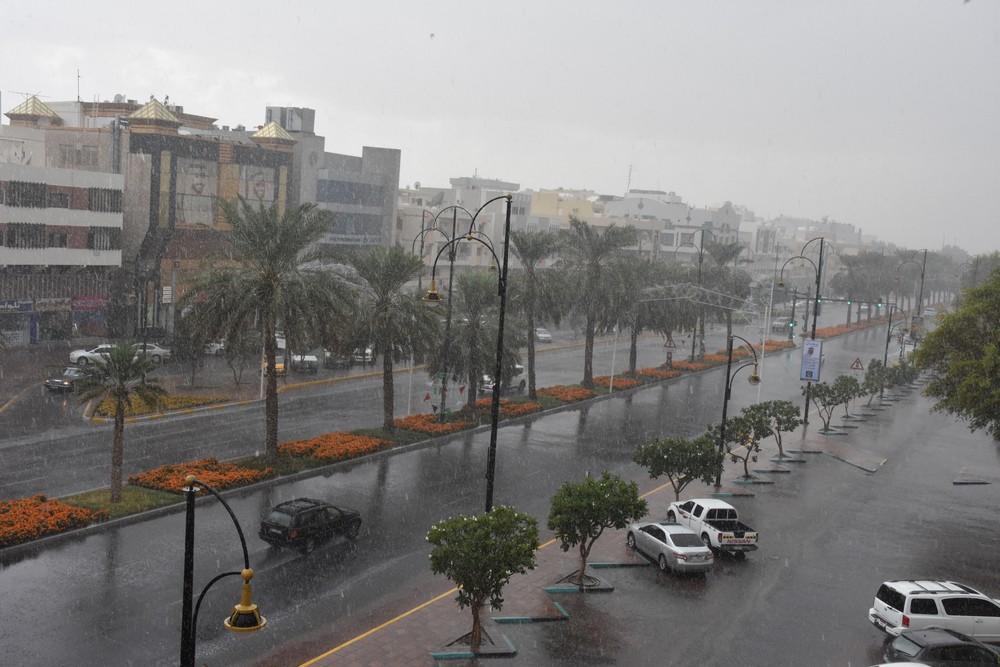
UAE Heavy Rains: Ensure Your Car Insurance Covers Flooding
Prepare Your Car Insurance for the UAE’s Stormy Season and Protect Against Flooding

As the UAE gears up for heavy rains, drivers across the country are facing increased risks. Storms have already begun hitting areas like Sharjah and Ras Al Khaimah, with more rain expected. With waterlogged roads and the looming threat of flooding, it’s time to ask: Does your car insurance cover storm-related damage?
In this post, we’ll walk you through what you need to know about your car insurance, from the difference between third-party and comprehensive coverage to expert tips for safe driving in heavy rain. Let’s get you prepared for the rainy season!
What This Blog Covers:
1. Understanding Car Insurance Coverage for Rain Damage
2. The Difference Between Third-Party and Comprehensive Insurance
3. Why Comprehensive Insurance is Essential During Storms
4. Expert Tips for Safe Driving During Heavy Rain
Why Heavy Rains Are a Risk for UAE Drivers
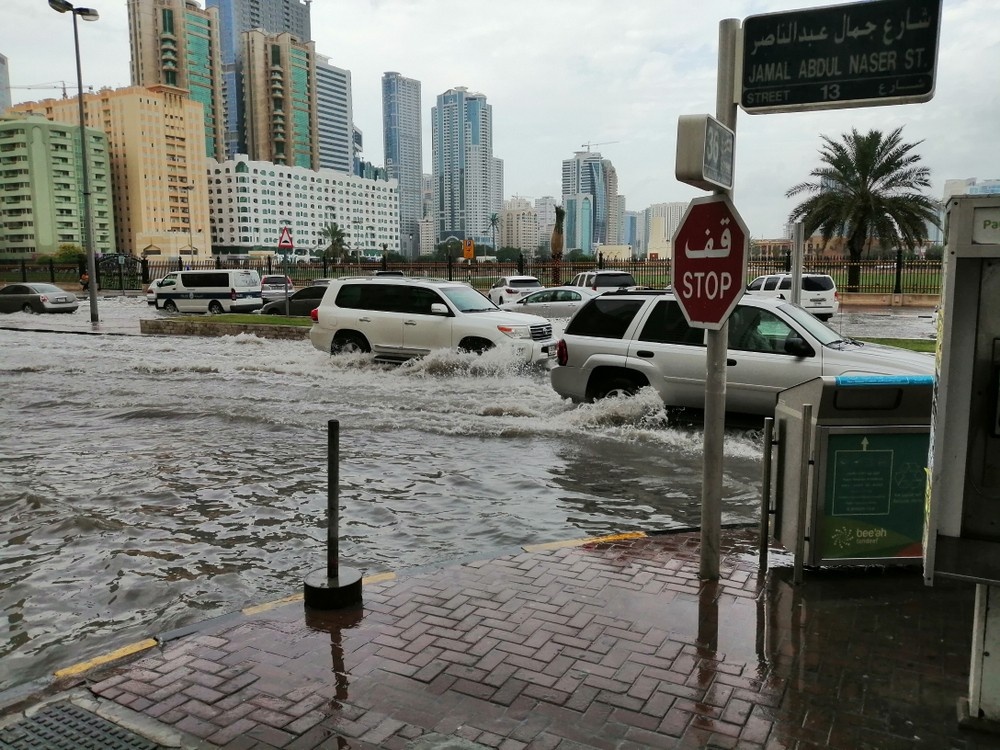
The UAE might be known for its dry weather, but heavy rainfall can still cause significant disruptions. Flooding is the most crucial risk, turning roads into rivers and making driving dangerous.
Let’s take a closer look at the risks:
-
Flooded Roads: Accumulating water can make streets impassable and hazardous for vehicles.
-
Slippery Surfaces: Rain mixed with oil and debris makes the road slick, increasing the risk of skidding.
-
Limited Visibility: Torrential rain can make it hard to see, increasing the chances of accidents.
In fact, according to the UAE Traffic Department, weather-related accidents are a leading cause of traffic incidents during the rainy season. So, understanding how your insurance works and how to adjust your driving can save you a lot of trouble.
What You Need to Know About Insurance Coverage
In the UAE, car insurance policies are governed by the Unified Motor Vehicle Insurance Policy. While it provides some protections, it generally excludes coverage for natural disasters such as floods, hurricanes, and storms, unless your policy includes explicit provisions.
So, here’s how it works:
-
Comprehensive Car Insurance: This is the best option for storm-related damage. Comprehensive policies often cover damage caused by heavy rain, flooding, and other natural events.
-
Third-Party Liability Insurance: This type of insurance only covers damages caused to other people’s vehicles or property. It does not extend to your own vehicle, meaning rain and flood damage will not be covered under a third-party policy.
For drivers with third-party liability insurance (TPL), the cost of repairs due to rain or flooding would be an out-of-pocket expense. In contrast, comprehensive coverage provides a safety net during stormy weather, ensuring your car is protected.
Why Skipping Comprehensive Insurance Could Be Risky
Not everyone realizes the importance of having the right coverage during the stormy season. Here are some common mistakes drivers make:
Mistake #1: Relying Only on Third-Party Insurance
If you’re relying on TPL, be aware that your vehicle won’t be covered if it gets damaged by flooding or storms.
Mistake #2: Underestimating the Danger of Flooding
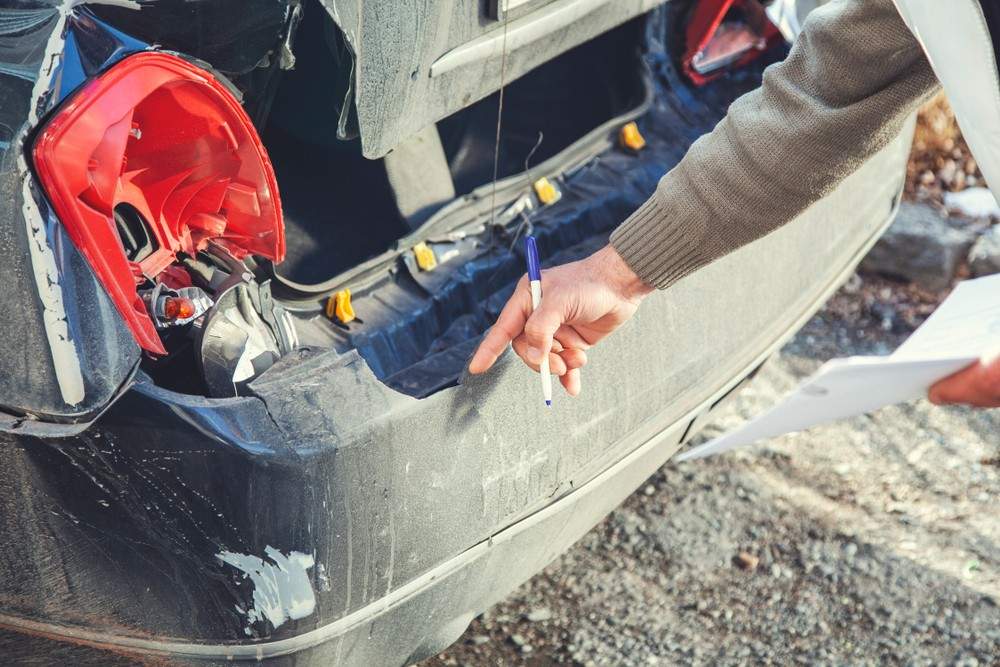
Even if your car looks fine after driving through a flood, it could suffer long-term damage. Floodwaters can damage the engine, electrical systems, and brakes, leading to costly repairs.
Mistake #3: Ignoring the Fine Print
Make sure you check your policy for any exclusions. Some comprehensive policies might not cover you if you’re driving during a weather alert. Always read the fine print!
Stay Safe During Storms: Step-by-Step Tips
It’s crucial to stay proactive and take the proper steps to protect your vehicle and your wallet during the UAE’s stormy season. Here’s how:
1. Review Your Car Insurance Policy
-
Check for Rain-Related Coverage: Ensure that your policy covers flood and storm damage.
-
Look for Exclusions: Some policies may have clauses that exclude coverage during certain weather conditions. Be sure to confirm!
2. Drive Safely in Stormy Weather
-
Reduce Speed: Rain and flooding reduce tire traction, so driving slower can help you maintain control.
-
Increase Following Distance: Keep extra space between your vehicle and the one ahead. Wet roads increase stopping distance.
-
Use Headlights: Turn on your headlights, even during daylight, to increase visibility for both you and other drivers.
-
Avoid Flooded Areas: If you come across a flooded road, don’t attempt to drive through it. Turn around and find an alternate route.
3. Maintain Your Vehicle
-
Check Tire Tread: Worn-out tires can’t grip wet roads properly. Make sure your tires have sufficient tread.
-
Test Your Brakes: Wet conditions can reduce braking effectiveness. Keep your brakes in good working order.
-
Inspect Wipers and Lights: Ensure your wipers are functioning and that all lights are working to enhance visibility.
Next Step: Quick Checklist for Drivers
- Check your insurance coverage: Verify whether your policy includes protection against rain or flood damage.
- Upgrade to comprehensive insurance: If you only have third-party insurance, consider upgrading to comprehensive coverage for better protection.
- Stay updated on weather conditions: Regularly check weather alerts and avoid traveling when conditions are dangerous.
- Drive cautiously: Slow down, maintain a safe distance, and avoid flooded roads.
Frequently Asked Questions (FAQs)
1. Does my car insurance cover flood damage?
Comprehensive insurance typically covers flood and storm-related damage, while third-party insurance does not.
2. What’s the difference between third-party and comprehensive car insurance?
Third-party insurance covers damage to others’ vehicles or property, while comprehensive insurance covers damage to your own car, including storm and flood damage.
3. What should I do to stay safe during heavy rain?
Slow down, maintain a safe distance, use headlights, avoid flooded areas, and ensure your vehicle is well-maintained.
Conclusion: Prepare for Stormy Weather with the Right Insurance and Driving Habits
Heavy rains in the UAE are not only a challenge for drivers but also a risk for vehicle damage. By understanding your car insurance coverage and taking the necessary precautions on the road, you can reduce the risk of damage and ensure that you’re financially protected during stormy conditions.
Key Reminder: A little preparation goes a long way. Make sure your car insurance covers flood damage,
and follow safe driving tips during heavy rainfall to protect both yourself and your vehicle.
For expert advice on car insurance, maintenance tips, and staying safe on the road, visit ArabWheels, your go-to resource for all things automotive in the UAE. Stay informed and get more helpful tips by reading the latest insights on our ArabWheels Blog.
