
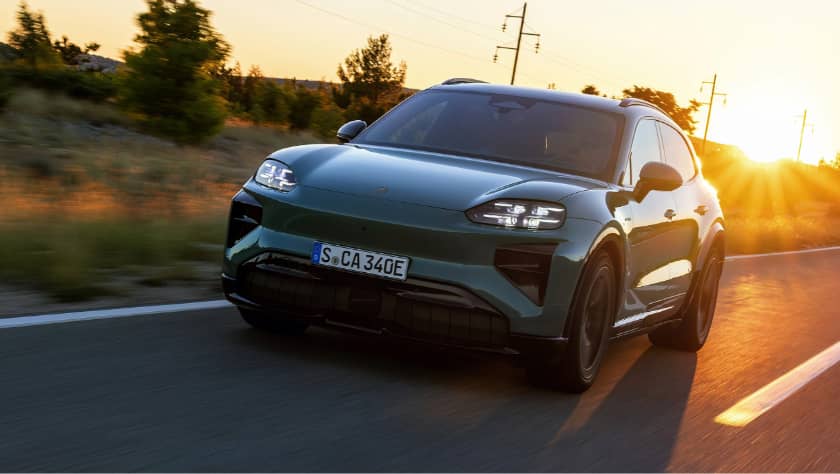
2026 Porsche Cayenne EV: More Powerful Than the 918
The 2026 Porsche Cayenne EV has arrived, and it’s rewriting the rules of electric performance. With 1,139 horsepower on tap, this is the most powerful production Porsche ever built. Yes, it even beats the legendary 918 Spyder.
Raw Power Meets Precision Engineering
The Cayenne Turbo Electric delivers 1139 hp and 1500 Nm of torque through its dual-motor setup. Launch Control drops the 0-100 km/h time to just 2.4 seconds, while the quarter-mile passes in 9.9 seconds flat.
During normal driving, the Turbo operates at 844 horsepower. Press the push-to-pass button and you unlock an additional 173 hp for 10 seconds of pure adrenaline. Even the base Cayenne Electric impresses with 402 horsepower in standard mode, expanding to 435 hp with Launch Control engaged.
That translates to a 4.5-second sprint to 100 km/h, matching the gas-powered Cayenne S’s performance.
Technical Sophistication Under the Surface
Both models utilize Porsche’s Premium Platform Electric architecture with an 800-volt system and a 113-kWh battery pack. The battery integration lowers the center of gravity while maintaining generous cabin space.
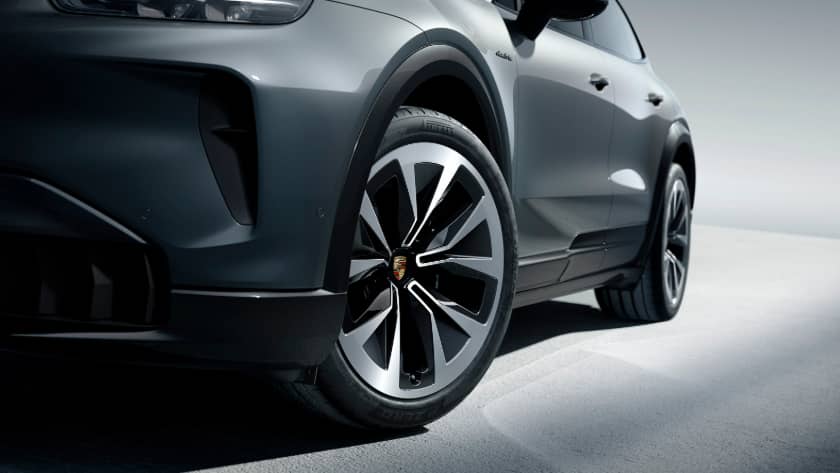
Standard equipment includes two-chamber air suspension with Porsche Active Suspension Management for refined handling. The Turbo variant adds 22” wheels wrapped in Pirelli P Zero R tires, plus rear-wheel steering with up to 5 degrees of movement for enhanced agility.
The regenerative braking system recovers up to 600 kW of energy, with the electric motors handling 97% of everyday braking duties.
Why the Porsche Cayenne EV Excels at Fast Charging
WLTP testing estimates 642 kilometers of range for the base model and 623 kilometers for the Turbo. Real-world driving should deliver around 547 to 563 kilometers between charges. But range is only half the story when charging happens this fast.
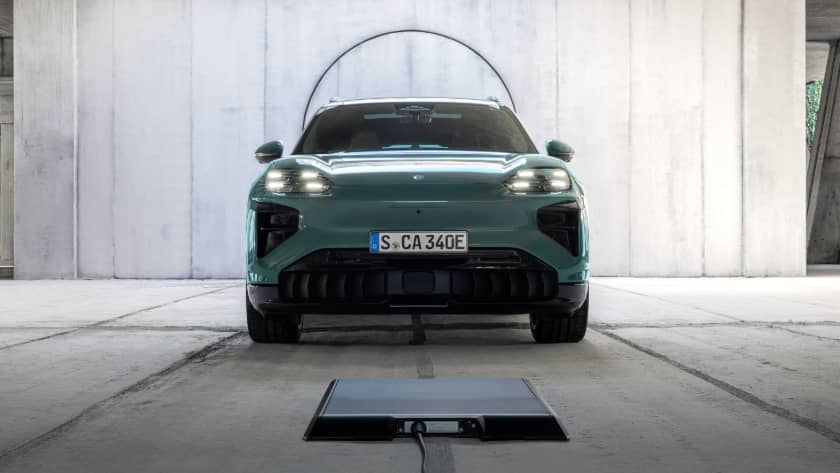
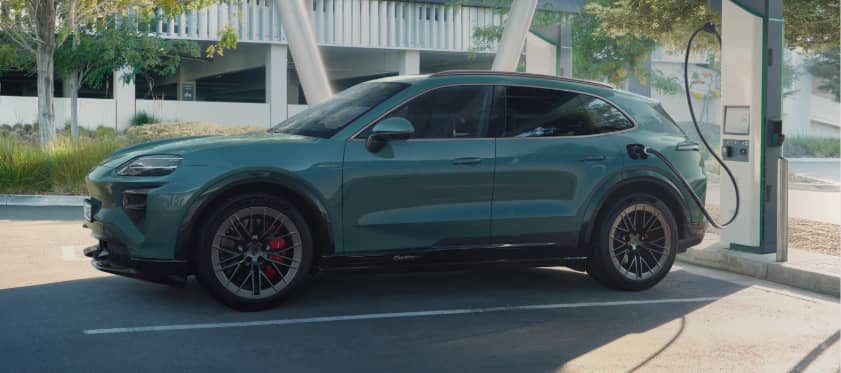
The Cayenne supports 400 kW DC fast charging, taking just 16 minutes to go from 10% to 80%. It features both a Tesla NACS port for widespread Supercharger access and a J1772 port for Level 2 charging. Porsche even offers an optional 11 kW wireless charging pad for effortless home charging.
Design That Blends Form and Function
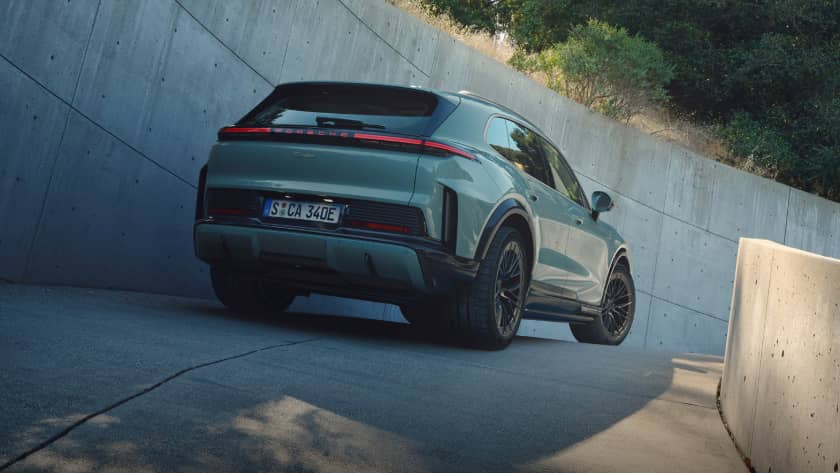
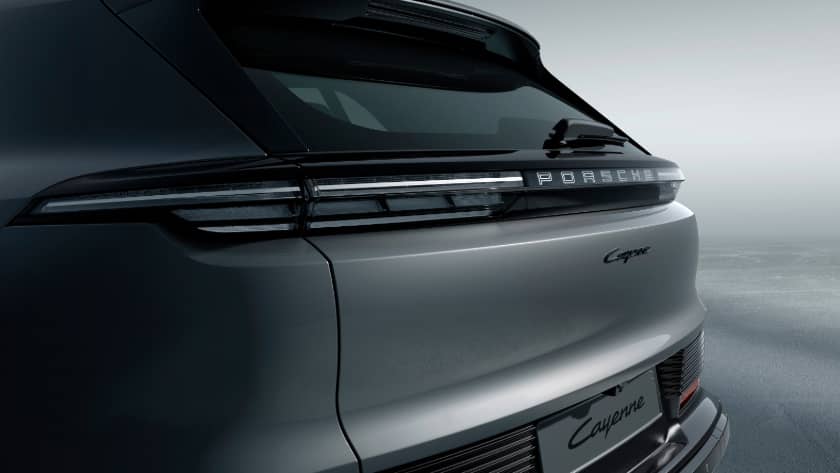
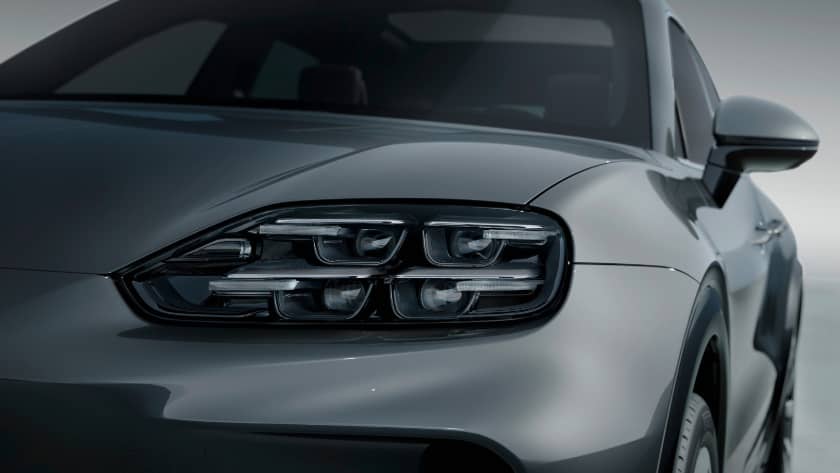
Standing just 65.9 inches tall, this is the lowest Cayenne ever created. The 119-inch wheelbase stretches 5 inches longer than the gas version, improving interior space and proportions. Active aero blades deploy above 64 km/h to optimize efficiency without compromising the clean design.
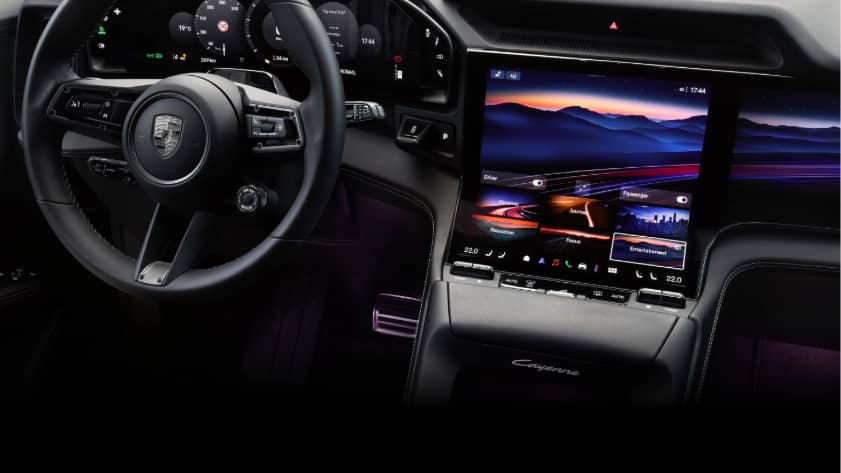
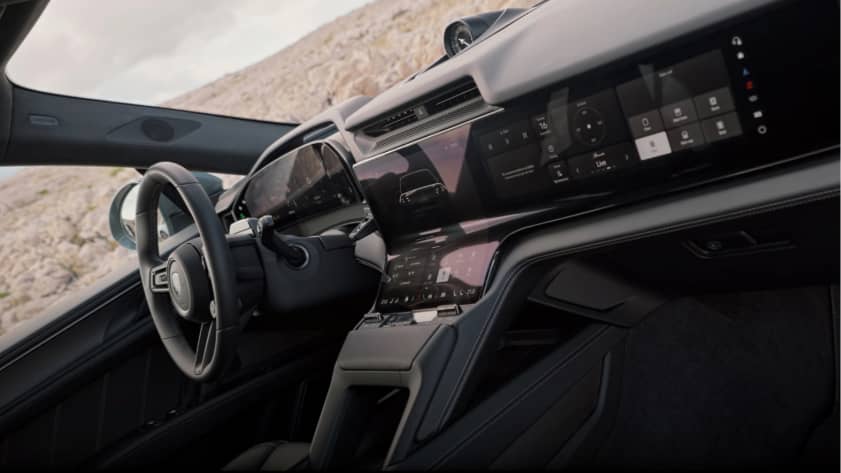
Inside, a curved 14.25” OLED display flows seamlessly into the digital instrument cluster. The 12.25” center touchscreen angles toward the driver, while an optional passenger display creates an impressive panoramic glass interface.
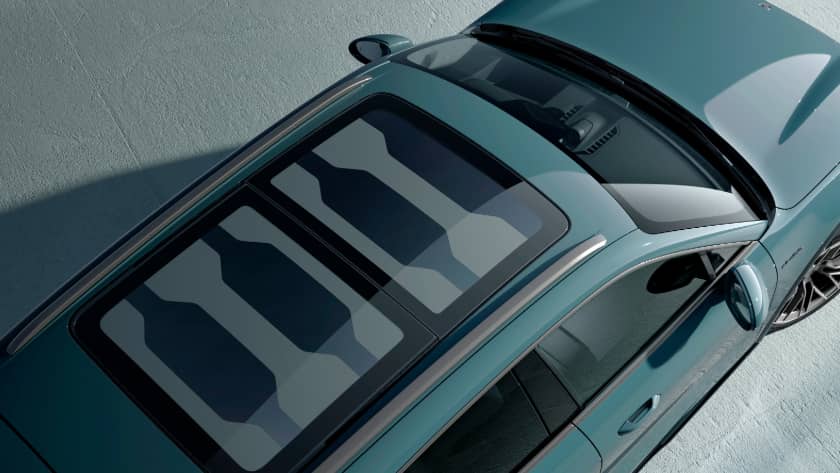
The Variable Light Control roof adjusts opacity across nine individual segments, and surface heating extends beyond the seats to armrests and door panels. Cargo capacity reaches 56.1 cubic feet with the rear seats folded, plus a 3.2-cubic-foot frunk.
The extended wheelbase translates to significantly more rear legroom for passengers.
Real-World Capability
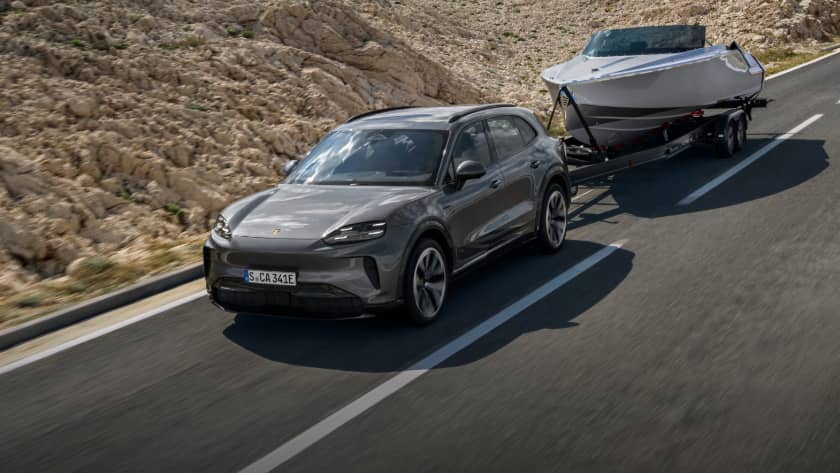
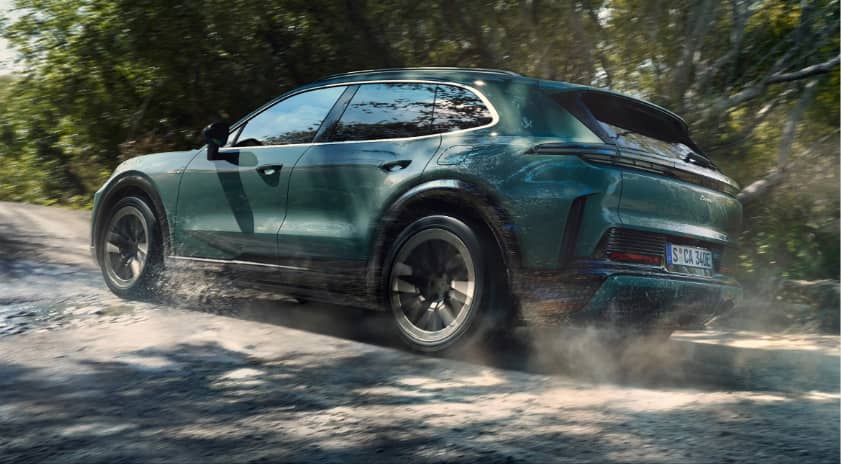
Despite its performance focus, the Cayenne Electric tows up to 7,716 pounds when properly equipped. Air suspension provides generous ground clearance, while intelligent traction management ensures capability across varied terrain.
What It Costs
Pricing starts at $111,350 for the base Cayenne Electric and $165,350 for the Turbo. With 13 exterior colors, 12 interior combinations, and extensive customization options available, personalization runs deep. Orders open now for summer 2026 deliveries.
Conclusion
The 2026 Porsche Cayenne EV doesn’t compromise between performance and practicality. It masters both with 1,139 horsepower, cutting-edge technology, and the sophistication Porsche is known for. This isn’t just another electric SUV. It’s the most powerful Porsche ever made.
What are your thoughts on the Cayenne Electric? Drop your comments below, and keep following Arabwheels Blog for more automotive insights.