


NVIDIA L4 Explained: The Brains Behind the Next Era of Mobility
NVIDIA L4 autonomous technology just landed major backing from the world’s biggest automakers and mobility companies. The chipmaker unveiled its DRIVE AV software alongside the DRIVE AGX Hyperion 10 architecture this week.
NVIDIA claims the system makes “any vehicle level-4-ready” for autonomous operation. Stellantis, Lucid Group, and Mercedes-Benz have signed on to use the platform. Uber Technologies will deploy the technology in robotaxi fleets globally.
Understanding Level 4 Autonomy
Level 4 represents a significant leap in self-driving capability. Vehicles can operate autonomously in many conditions. Limitations still exist based on geography, weather, and road types. The distinction from current systems matters.
Today’s driver-assist features require constant attention. Level 4 allows genuine hands-off operation within defined parameters.
The Platform Powering Tomorrow’s Fleets
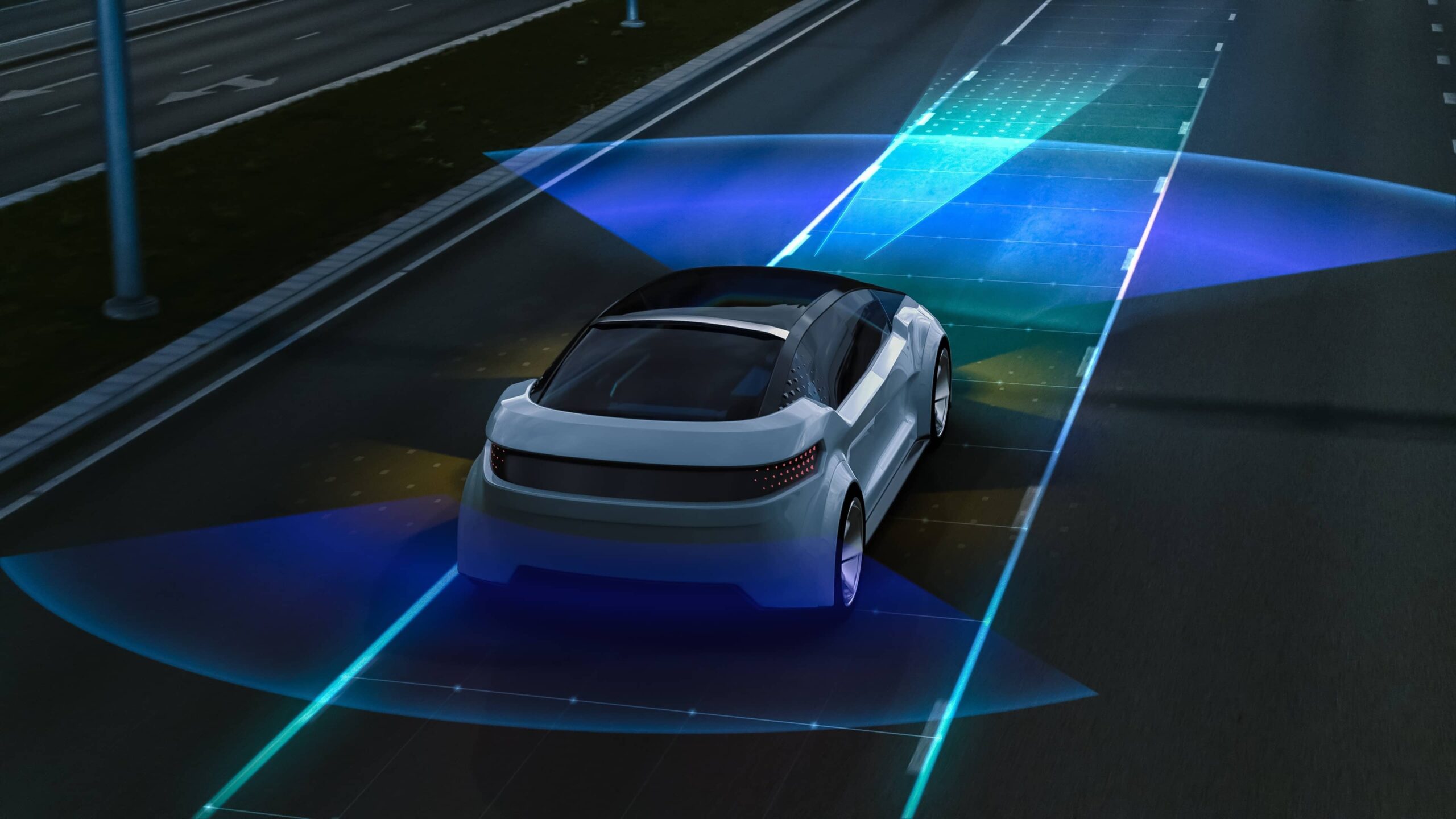
NVIDIA’s Hyperion 10 reference architecture combines sensors, computing hardware, and software into one package. The sensor suite includes 14 high-definition cameras, nine radars, one lidar, and 12 ultrasonic sensors.
Two DRIVE AGX Thor processors sit at the core. These deliver over 2,000 FP4 teraflops of real-time computing power. Automakers can customize the hardware and sensor configuration. They can also integrate proprietary software on top of it.
This modular approach reduces development time and cost. It also provides a validated foundation for safety certification.
The Players and Their Commitments
- Stellantis is collaborating with NVIDIA, Uber, and Foxconn to build robotaxis. Production targets 2028 using AV-ready platforms like the K0 Medium Size Van. The partnership combines Stellantis manufacturing with NVIDIA computing and Uber’s fleet network.
- Lucid Group plans to integrate NVIDIA L4 capability into upcoming midsize vehicles. The luxury EV maker aims to launch in 2026. These vehicles will serve both private ownership and potential robotaxi applications.
- Mercedes-Benz will embed the architecture into next-generation flagship models. The S-Class could offer chauffeur-level autonomy in specific conditions. This targets luxury buyers seeking premium assisted driving.
- Uber Technologies announced the most ambitious deployment. The ride-hailing giant aims to operate 100,000 autonomous vehicles starting around 2027. These robotaxis will use NVIDIA’s full stack across global markets.
- Foxconn serves as Stellantis’ hardware and systems integration partner. The electronics manufacturer brings production expertise to vehicle assembly.
Why Automakers Are Partnering with NVIDIA
Building Level 4 systems independently proves expensive and technically complex. Safety validation alone requires millions of test miles. Regulatory compliance varies by market. Software development demands AI expertise that most automakers lack.
Partnerships distribute risk and accelerate timelines. NVIDIA provides computing infrastructure and reference designs. Automakers contribute vehicle platforms and manufacturing scale. Mobility companies offer fleet management and customer networks.
This ecosystem approach contrasts with earlier go-it-alone strategies. Companies like Cruise and Waymo spent billions developing proprietary systems. Results have been mixed. Commercial robotaxi operations remain limited to a few cities.
The Timeline Ahead
Uber and NVIDIA target 2027 for the initial deployment of their robotaxi fleet. Scaling to 100,000 vehicles will take additional years. Stellantis plans to begin robotaxi production in 2028. Lucid’s consumer vehicles with NVIDIA L4 technology could arrive by 2026.
Mercedes-Benz has not specified the exact timing for flagship integration.
Challenges That Remain
- Regulatory approval represents the largest hurdle. Most jurisdictions lack frameworks for driverless operation.
- Liability questions persist around accidents and insurance. Cities must decide where autonomous vehicles can operate.
- Cost economics remain unproven at scale. The sensor suite and computing hardware add significant expense. Robotaxi services must undercut human drivers while covering higher vehicle costs.
- Technical validation continues. Claiming level-4-ready differs from proving safe performance.
- Edge cases and rare scenarios require extensive real-world testing. Consumer trust must be earned through demonstrated safety records.
- Market adoption depends on multiple factors beyond technology. Urban infrastructure readiness varies widely.
- Consumer comfort with autonomous vehicles remains mixed. Fleet operators need proven return on investment.
Conclusion
The announcement signals coordinated industry movement toward practical autonomy. Multiple major players are committing resources and timelines. The focus has shifted from concept demonstrations to production planning.
NVIDIA L4 technology positions the company as the computing backbone for autonomous mobility. Its success ultimately depends on execution across the entire ecosystem. The following two years will reveal whether these partnerships deliver on their promises or not.
What are your views on NVIDIA L4 Autonomous Driving? Let us know in the comments below. Keep following the Arabwheels Blog for more content like this.