
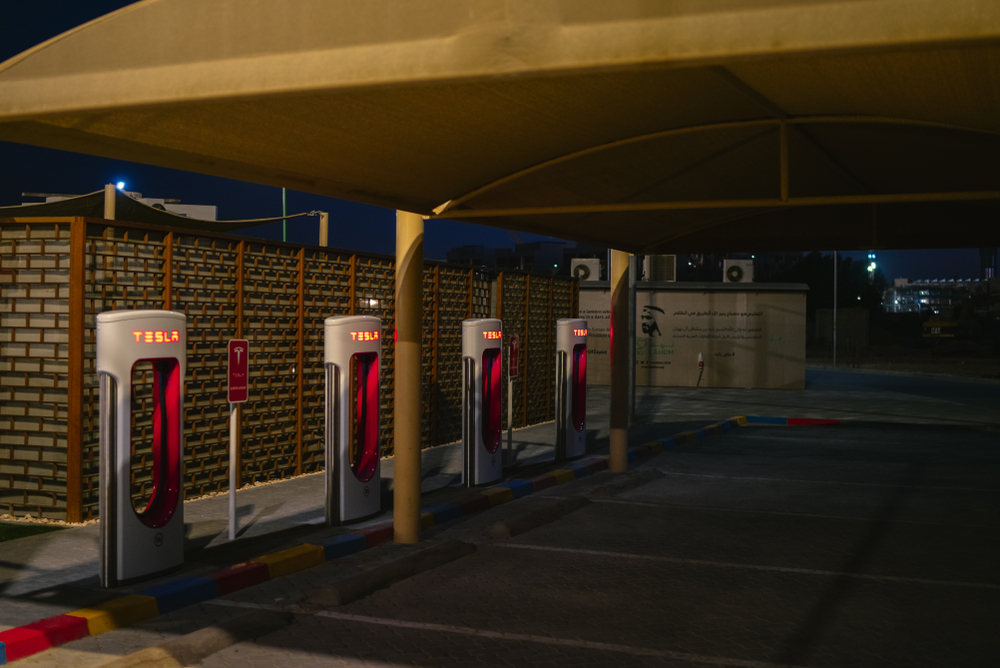
Tesla Battery Durability: What to Expect Over Time
A Deep Dive into Lifespan, Degradation, and Real-World Performance

As electric vehicles (EVs) continue to gain popularity, one of the most common questions drivers ask is how long the battery will actually last. That’s where Tesla Battery Durability: What to Expect Over Time becomes more than just a topic—it’s a key concern tied to real-world performance, ownership costs, and daily usability. Tesla, a pioneer in the EV space, has made remarkable progress in battery innovation, yet even the most advanced systems experience gradual wear over time.
Learning how Tesla batteries perform across years of use empowers both new and seasoned owners to make smarter decisions about charging, maintenance, and expectations. In this guide, we’ll explore how Tesla batteries age, what affects their lifespan, and how you can keep them performing at their peak for as long as possible.
Tesla Battery Technology Explained
Tesla primarily uses lithium-ion battery cells, similar to those found in smartphones and laptops, but optimized for automotive use. Most Tesla models, such as the Model 3, Model Y, Model S, and Model X, are powered by either NCA (Nickel Cobalt Aluminum) or LFP (Lithium Iron Phosphate) chemistry, depending on the model and market.
These batteries are designed with advanced thermal management systems, allowing them to operate efficiently across varying climates. In addition, Tesla’s proprietary software constantly monitors individual battery modules, ensuring optimal charging behavior and safety.
Average Tesla Battery Lifespan
| Mileage Range | Estimated Lifespan | Remaining Battery Capacity |
|---|---|---|
| 300,000–500,000 miles | 20–25 years | 70%–80% |
Tesla CEO Elon Musk has stated that future battery technologies may even support over 1 million miles, with a possible pack replacement around 500,000 miles.
It’s important to note that battery lifespan refers not to a complete failure but to the point where battery capacity reduces to about 70–80%. Even at that stage, Tesla vehicles remain fully drivable, though with reduced range per charge.
How Tesla Batteries Degrade Over Time
| Mileage | Average Capacity Loss | Notes |
|---|---|---|
| First 100,000 miles | 5%–10% | The initial drop is the steepest |
| Around 150,000 miles | 10%–15% total | Degradation slows after first 100k miles |
| Beyond 200,000 miles | 15%–20% (varies) | Depends on climate, charging habits, and use |
Battery degradation is a natural process in all lithium-ion systems. In Tesla vehicles, it’s relatively slow due to advanced battery chemistry and smart software management. Platforms like Teslanomics and EV-Database confirm these trends through long-term user data.
Importantly, Tesla continuously pushes over-the-air software updates to improve charging behavior, thermal management, and cell balancing, all of which contribute to maintaining battery health over time.
Key Factors That Influence Tesla Battery Durability
While they’re engineered for long life, various real-world factors can influence how long they last:
-
Charging Habits
Frequently charging to 100% or letting the battery drop to 0% can accelerate degradation. Tesla recommends keeping your charge between 20% and 80% for daily use. -
Supercharging Frequency
Although convenient, regular use of DC fast charging (Superchargers) generates more heat and can slightly reduce long-term battery health. -
Driving Style and Climate
Aggressive acceleration and extreme temperatures (both hot and cold) can affect cell chemistry. Tesla’s thermal management system helps, but parking in a garage and using cabin pre-conditioning helps extend lifespan. -
Model and Battery Chemistry
LFP batteries (used in some Model 3 variants) are more stable and can be charged to 100% regularly without significant degradation, unlike NCA cells.
Tesla’s Battery Warranty Coverage
| Tesla Model | Warranty Duration | Minimum Battery Capacity Guarantee |
|---|---|---|
| Model S / Model X | 8 years or 150,000 miles | 70% capacity retention |
| Model 3 Long Range / Model Y | 8 years or 120,000 miles | 70% capacity retention |
| Model 3 Standard Range | 8 years or 100,000 miles | 70% capacity retention |
Tesla offers generous battery warranties to provide peace of mind for owners across all models. The coverage varies slightly by model but always includes an 8-year duration with mileage limits and a guaranteed minimum of 70% battery capacity during the warranty period.
This robust warranty structure reflects confidence in Tesla battery durability and the overall reliability of its technology. In many real-world cases, they continue to perform well even beyond warranty limits, making long-term ownership a viable option for most drivers.
Tips to Maximize Tesla Battery Lifespan
Preserving battery health doesn’t require complex steps. Instead, consistent habits go a long way:
- Avoid daily 100% charges unless needed for long trips.
- Use scheduled charging to keep the battery cool.
- Enable regenerative braking to reduce strain.
- Keep software updated for battery management improvements
By following Tesla’s built-in charging guidelines and driving moderately, you can ensure your battery performs well for years.
Should You Be Concerned About Battery Replacement?
For most Tesla owners, battery replacement is not an immediate concern. Real-world data suggests that very few Teslas require a new battery within the first 8 to 10 years of ownership. Tesla’s battery packs are engineered to last, and improvements in battery chemistry continue to extend that lifespan even further.
However, if a replacement is ever needed, costs can vary depending on the model and battery size. According to official Tesla UAE service center data, here’s a breakdown of estimated replacement costs:
| Tesla Model | Battery Replacement Cost (AED) |
|---|---|
| Model 3 | AED 10,000–AED 15,000 |
| Model Y | AED 11,000 – AED 16,000 |
| Model S | AED 12,000 – AED 18,000 |
| Model X | AED 15,000–AED 20,000 |
These prices reflect services at certified Tesla UAE centers, using genuine Tesla parts and labor. Some third-party specialists may offer replacements between AED 14,500 and AED 20,000, while battery recycling or trade-in programs can further reduce costs by up to AED 3,000.
For fleet operators or high-mileage drivers, it makes sense to plan for future replacement scenarios. But for most everyday users, battery replacement remains a rare and manageable event—and with future advancements in battery tech, pricing is expected to decline even more.
Final Thoughts
Tesla battery durability has proven itself across millions of miles globally. With intelligent energy management, robust chemistry, and thoughtful charging practices, these batteries can last well over a decade with minimal range loss.
For drivers in the UAE and other hot climates, Tesla’s thermal control system makes EV ownership feasible and reliable. If you’re considering a Tesla, rest assured: its battery is built not only to perform but also to endure.
Stay informed with expert guides and EV updates; explore more at ArabWheels today.
