

8 Safety Tips for Driving in Rain in the UAE
Effective Tips and Precautions for Driving Safely in the Rain in the UAE: Stay Safe on Slippery Roads

Rain is a rare sight in the UAE, but when it rains, motorists find it challenging to drive on wet roads. It is best to take precautions to drive safely in the rain. You should know helpful tips for driving in the rain to stay safe on slippery roads, especially if you encounter unpredictable weather in the middle of your trip.
Driving in heavy rain can be dangerous because it can cause hydroplaning. Such conditions make it hard to drive on slippery roads with limited visibility. In this blog, we will share some insightful tips that will help you drive safely in unsafe weather conditions.
Key Insight
1. Learn how to drive safely in the UAE’s rare rainy conditions.
2. Tips for reducing risk and avoiding accidents in wet weather.
3. Step-by-step advice on using your vehicle’s features to improve visibility and traction.
4. Must-know safety practices and emergency precautions when driving in the rain.
1. Reduce Your Speed: A Key to Safety
When driving in heavy rain, reducing your speed is one of the most crucial actions you can take. Wet roads significantly reduce your vehicle’s traction, increasing the chances of slipping and losing control.
-
Maintain Safe Following Distance: Increase the distance between your car and the vehicle ahead to give yourself more time to react.
-
Avoid Sudden Movements: Slow, gradual changes in speed and direction will help you maintain control.
By adjusting your speed, you ensure better control over your vehicle, reducing the risk of accidents. Remember, “Better Late than Never” applies to your safety.
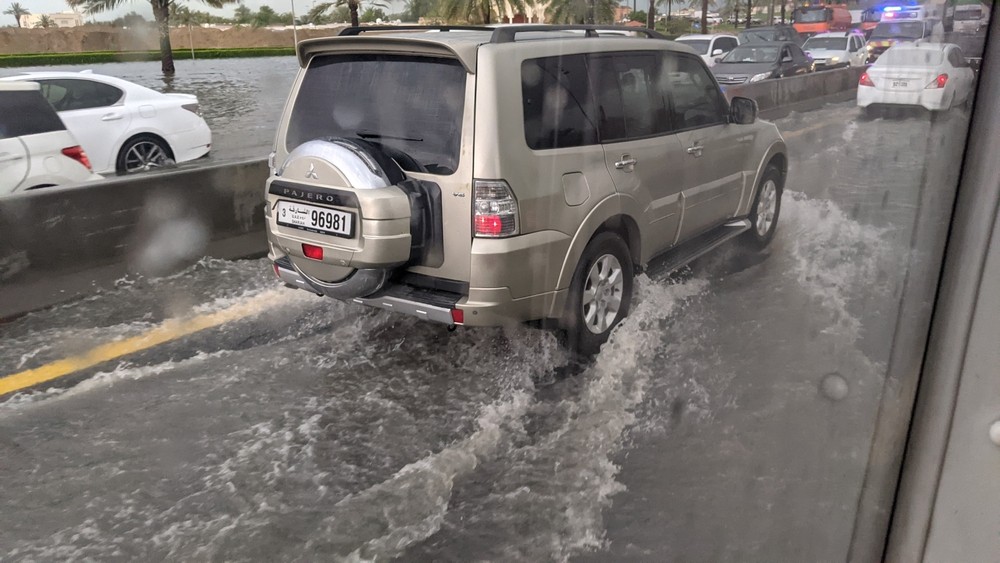
2. Use Your Windscreen Wipers Efficiently
Ensuring proper visibility is vital when driving in the rain. Your vehicle’s windscreen wipers are designed to help you see clearly during wet conditions.
-
Adjust Speed: In heavy rain, set the wipers to maximum speed to clear the rain effectively.
-
Check Wiper Blades: Before the rainy season, ensure that your wipers are in good condition to avoid streaking and blurred vision.
Good visibility is essential, as rain can obstruct your view, making it difficult to see the road and other vehicles. For more information on preparing your vehicle for rain, visit our Top Car Features for Rainy Weather Driving article.
3. Activate Your Headlights
It’s common to think headlights are only necessary for driving at night, but they are just as crucial in rainy weather. Using both headlights and taillights increases your visibility to other drivers and improves your own visibility in low-visibility conditions.
-
Improve Road Visibility: Even in daylight, rain can obscure the road, and headlights make your car more visible to others.
-
Don’t Rely on Daytime Running Lights Alone: Always use the full headlights to ensure maximum visibility.
4. Keep Your Car Well-Ventilated
Humidity levels rise during rain, leading to foggy windows that impair visibility. To prevent fog buildup, ensure your car’s ventilation system is functioning correctly.
-
Turn on the Air Conditioning: Use the A/C to reduce humidity inside the vehicle and clear the fog from your windows.
-
Open Windows Slightly: If necessary, crack your windows to allow airflow and reduce condensation on the glass.
Proper ventilation will enhance visibility and keep you safe on the road. For more maintenance tips to prepare for rainy conditions, visit Essential Car Maintenance Tips for UAE Drivers.
5. Use Your Indicators to Signal Your Intentions
Using indicators is always essential, but in rainy conditions, it becomes even more crucial. When changing lanes or turning, always signal your intentions so other drivers can see your actions clearly.
-
Avoid Hazard Lights While Moving: Turn on hazard lights only if your vehicle is stationary. Flashing hazard lights can confuse other drivers when you’re driving.
Clear communication with other drivers through indicators will help reduce accidents in rainy conditions.
6. Pull Over if Conditions Are Unsafe
If you’re unable to control your vehicle or if the visibility is severely reduced, pulling over is the safest option.
-
Find a Safe Spot: Pull off to the side of the road or find a rest area if visibility becomes too low or if the rain is too heavy to manage.
-
Wait for Conditions to Improve: In some cases, waiting for the storm to subside or the rain to lighten can be the safest option.
Remember, your safety is the priority, and it’s better to wait it out than risk driving in dangerous conditions.
7. Prepare Your Car for Rainy Weather
Before the rainy season, perform regular maintenance on your vehicle to ensure that it’s prepared for challenging weather. Proper preparation can make a big difference in your safety on wet roads. Implementing these tips for driving in the rain can help you stay in control of your vehicle and avoid accidents during unexpected downpours.
Check Your Tires
Tires are one of the most critical components for maintaining control of your vehicle on wet roads. Worn-out tires are more prone to hydroplaning, which can lead to accidents.
-
Tread Depth: Make sure your tires have sufficient tread depth to handle wet conditions. The tread helps disperse water and maintain grip on the road, making it one of the most essential factors for driving safely in the rain.
-
Tire Pressure: Regularly check tire pressure to ensure they are inflated to the manufacturer’s recommended levels. Proper tire pressure not only provides optimal tire performance but also contributes to safer handling in rainy conditions.
By following these tips for driving in the rain and ensuring your tires are in top condition, you can significantly reduce the risk of slipping or hydroplaning.
8. Avoid Driving During Heavy Rain
If the weather report predicts heavy rainfall, consider postponing your journey or rescheduling your plans. Driving in extreme weather conditions should be avoided unless necessary.
-
Alternative Travel Plans: If possible, opt for public transport or wait for the weather to clear up.
-
Emergency Situations: In case of emergencies, ensure you follow all safety guidelines and use the tips outlined above to drive safely.
Conclusion
It is crucial to maintain safe driving practices in Dubai to ensure a safe, secure driving environment. Although rain is not common in the UAE, it is still essential to be prepared for such situations and to be a vigilant driver by exercising caution and following the driving tips mentioned above.
For more informative blogs like this, follow our ArabWheels blog to stay updated.
