
10 New Car Technologies in UAE Worth Paying For in 2026
Must-Have Safety, Parking, EV and Connected Features for UAE Drivers

Buying a new car in the UAE is no longer just about engine size, fuel economy, or resale value. Today, new car technologies in UAE can influence how safely you drive, how easily you park, and even how much you may spend after purchase.
The problem is that a longer features list does not automatically make a car better.
Some technologies are genuinely useful. Others may simply push you toward a more expensive trim. Here are 10 features UAE buyers should understand before paying extra.
1. Automatic Emergency Braking
Automatic Emergency Braking, or AEB, detects a possible frontal collision and may apply the brakes if the driver does not react in time.
The Insurance Institute for Highway Safety says forward-collision warning combined with automatic braking can reduce rear-end crashes by around 50%.
For UAE buyers, AEB is one of the safety features worth prioritising when comparing trims.
For example, selected UAE-spec Nissan Patrol grades offer Automatic Emergency Braking with Pedestrian Detection as part of their driver-assistance equipment.
Before buying: Ask whether AEB is standard on your exact UAE-spec trim and what types of vehicles, pedestrians, or obstacles it can detect.
2. Adaptive Cruise Control
Conventional cruise control holds a set speed; adaptive cruise control also adjusts speed to maintain a gap to traffic ahead.
It can be particularly useful on longer highway journeys between Dubai, Abu Dhabi, Sharjah, and other emirates.
However, do not assume every system works equally well.
Before buying: Test how smoothly the vehicle slows down when another car enters your lane and whether the system supports stop-and-go traffic.
3. Lane-Keeping Assistance
Not all lane-assistance systems do the same job.
Lane-departure warning only alerts you if the car starts drifting out of its lane. Lane-keeping assist can make brief steering corrections to guide the car back, while lane-centering assist provides continuous steering support to help keep the vehicle centred.
These are driver-assistance features, not self-driving technology. The driver still needs to watch the road and remain in control.
Before buying: Ask which system is fitted to the exact UAE-spec trim and, if possible, test how naturally the steering assistance intervenes.
4. Blind-Spot Monitoring
Ever missed a car sitting just outside your mirror view?
Blind-spot monitoring uses sensors to warn you when another vehicle is travelling beside you.
Some vehicles also add Rear Cross-Traffic Alert, which can warn about approaching traffic while reversing.
This can be useful in busy mall and residential parking areas.
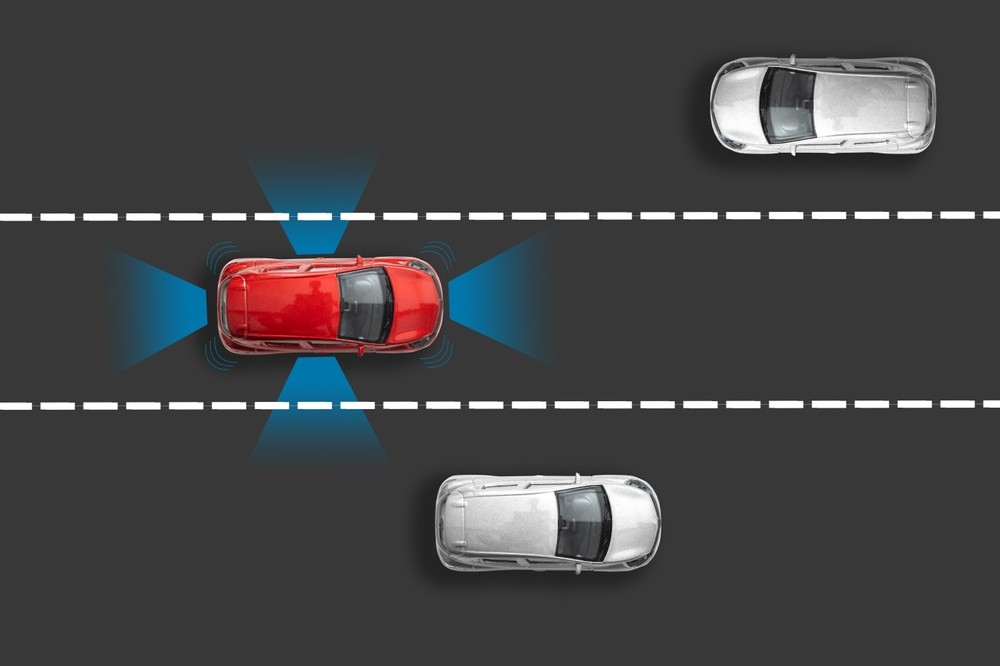
The Hyundai Tucson is one UAE-market example: its available Blind-Spot View Monitor can show a live view of the blind spot when the driver signals a lane change.
Before buying: Remember that the warning does not replace mirrors or a proper shoulder check.
5. Driver-Monitoring Systems
Some newer cars use a cabin camera or steering inputs to detect whether the driver appears distracted or tired.
The system may issue visual or audible warnings when attention drops.
How well it works varies by model, particularly how accurately it detects distraction and how often it warns.
The Hyundai Tucson, for example, offers Driver Attention Warning, which analyses the driver’s attention level and can issue a warning while driving.
Before buying: Check whether the alerts actually help you or become unnecessarily intrusive during normal driving.
6. 360-Degree Cameras
On large SUVs and crossovers, a 360-degree camera can be useful every day, especially in tight parking spaces.
The system combines several exterior cameras to provide a bird’s-eye-style view around the vehicle, making kerbs, parking lines and nearby obstacles easier to judge.
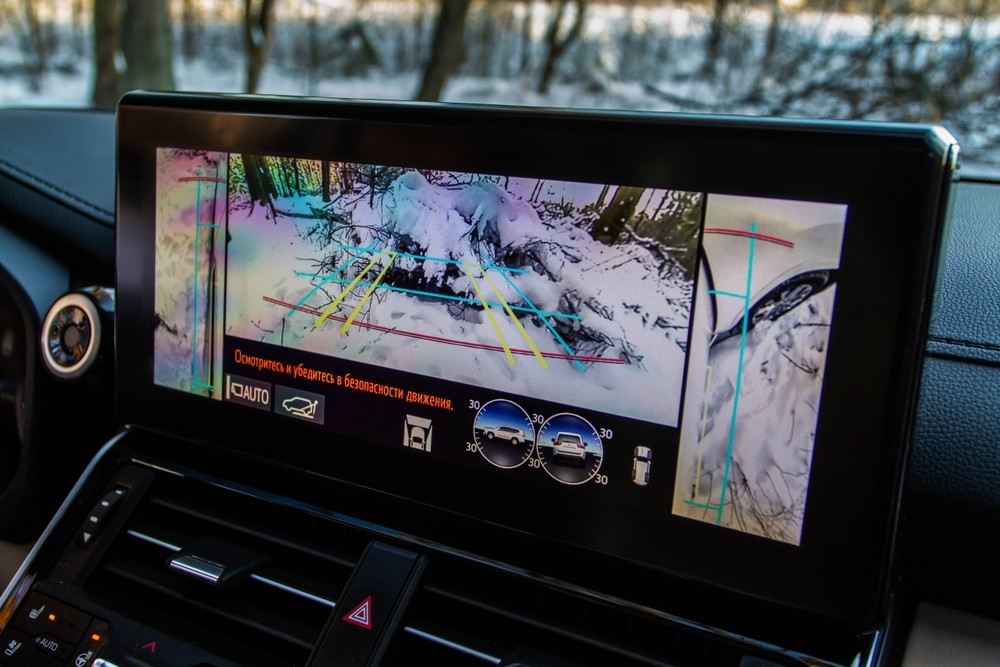
For example, selected UAE-spec Nissan Patrol, for example, selected higher grades offer a 3D Around View Monitor with Moving Object Detection.
Before buying: Test the cameras outside in strong daylight and inside a darker basement parking area. A high-resolution screen means little if the camera itself produces a poor image.
7. Head-Up Displays
A Head-Up Display places important information such as speed or navigation directions closer to the driver’s natural line of sight.
Some cars now offer larger augmented-reality displays as well.
A HUD can be useful, but it is not necessarily worth paying extra for on its own.
Before buying: Check visibility while wearing your usual sunglasses and under bright UAE sunlight.
8. Over-the-Air Updates
More vehicle functions now rely on software, from infotainment to charging and driver-assistance systems.
Over-the-air, or OTA, updates allow manufacturers to update certain software functions without requiring the owner to visit a workshop.
These updates may cover infotainment, navigation, charging features, or selected vehicle systems.
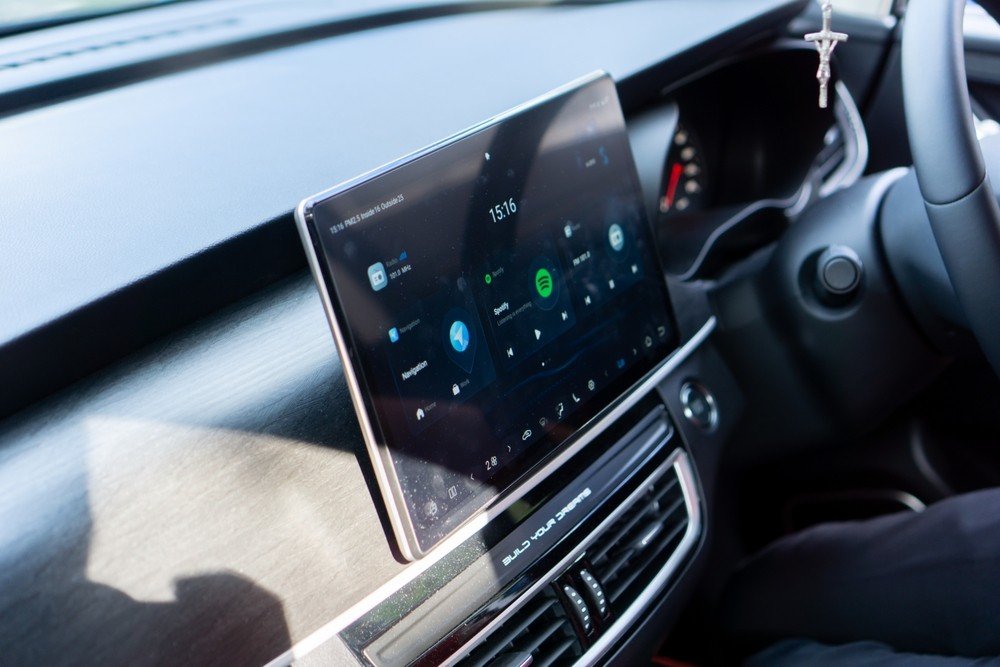
The bigger ownership question is how long those updates and connected services will remain supported.
Tesla is a clear UAE-market example: its vehicles regularly receive over-the-air software updates that can add features or improve existing functions through Wi-Fi.
Before buying: Ask how long software support is expected to continue and whether any connected features require a paid subscription.
9. Faster EV Charging and Battery Cooling
For an EV buyer, range matters, but charging speed and battery cooling matter too.
Charging speed and battery thermal management can have a major impact on everyday ownership, particularly in UAE heat.
By the end of Q1 2026, DEWA’s EV Green Charger network had reached 2,223 charging points across Dubai, including stations licensed by DEWA in collaboration with government and private-sector entities.
Do not choose an EV on its peak charging figure alone.
Hyundai UAE quotes a 10% to 80% charging time of around 18 minutes for the IONIQ 5 when connected to a 350 kW DC charger. Actual charging times can still vary with conditions.
Before buying: Ask about real charging time, battery warranty, home-charger installation, connector compatibility, and battery cooling.
Read more: EV Charging in UAE: Convenient or Overhyped?
10. Digital Keys and Connected-Car Apps
On some newer cars, your phone can act as the key and control selected vehicle functions.
Depending on the model, connected apps may allow owners to check charging status, lock or unlock the vehicle, locate it, or switch on climate control remotely.
Remote climate control is particularly useful when the car has been parked in UAE heat.
But international feature lists can be misleading because some connected services are market-dependent.
The Tesla Model Y is one UAE-market example where the mobile app forms a significant part of the ownership experience, including phone-key access and remote vehicle functions such as climate control.
Before buying: Confirm that the advertised app and remote functions actually work on UAE-spec cars.
The Showroom Question UAE Buyers Should Ask
When a salesperson says a car has “advanced technology,” ask one simple question:
“Can you show me how it works on this exact car?”
Do not assume the feature shown on a manufacturer’s global website is fitted to every UAE trim.
Before signing the deal:
- Check the exact trim specification.
- Test important driver-assistance features.
- Ask about subscriptions.
- Confirm software support.
- Check warranty coverage.
- Ask whether cameras or sensors require recalibration after windscreen or bumper repairs.
Still comparing your options? Browse used cars for sale or explore new cars for sale on ArabWheels to compare prices, features, and available options before making your decision.
Final Verdict: Which Car Technologies Are Worth Paying For in the UAE?
Car technology is useful when it solves an actual ownership problem.
For UAE buyers, features such as AEB, blind-spot monitoring, adaptive cruise control, 360-degree cameras, and proper battery thermal management can offer meaningful everyday benefits.
But a bigger screen, more sensors, or a longer specification sheet does not automatically justify a higher price.
When comparing new car technologies in UAE, focus on three things: Does it work well? Will you actually use it? And is it included in the trim you are paying for?
If the answer to any of these is no, paying extra simply for a longer feature list may not make sense.
Explore more UAE driving guides on ArabWheels.
FAQs About New Car Technologies in UAE
AEB, blind-spot monitoring, parking cameras, adaptive cruise control, and useful driver-assistance systems can add practical value. What is worth paying for ultimately depends on your driving routine and the price difference between trims.
No. Equipment often differs according to model, trim, and UAE specification. Always check the exact vehicle you intend to purchase.
No. Common systems such as adaptive cruise control and lane assistance still require an attentive driver. They should not be treated as fully autonomous driving systems.
No. Buyers should also compare charging speed, battery cooling, warranty coverage, home-charging options, and access to compatible public chargers.
Yes. Certain apps, digital-key functions, subscriptions, and remote services can vary by market. Confirm UAE availability with the authorised distributor before purchasing.
For more UAE car-buying advice, explore ArabWheels blogs on new cars, EV ownership and driver-assistance technology. For a broader look at how smart driving systems, connectivity and EV technology are changing UAE cars, see our guide to car tech features for UAE drivers in 2026.
